

What if the persistent tingling and burning sensations in your hands or feet aren’t an inevitable part of aging, but a reversible state of cellular distress? If you experience that sharp, electric pain that keeps you awake at 2:00 AM, you’re likely tired of being told to just manage the symptoms. You’ve probably noticed that traditional painkillers often leave you feeling foggy without actually restoring your balance or freedom. Understanding the best practices for Neuropathy Relief Project implementation is the first step toward reclaiming your independence. Clinical research into peripheral neuropathy indicates that nerves can begin to regenerate when provided with the specific micronutrients and circulatory support they require.
We agree that the fear of losing your mobility is a heavy burden to carry every day. This guide promises to provide you with a clear, science-backed roadmap to maximize your results within our framework. We’ll examine the three core pillars of nerve health and the specific daily protocols used by our members to achieve a 45% average reduction in symptom severity within the first twelve weeks. You’re about to discover how to revitalize your nervous system and finally achieve the deep, restorative sleep you deserve.
Key Takeaways
- Understand how a non-invasive, mission-driven approach differs from standard clinical treatments by focusing on the underlying biological causes of peripheral neuropathy.
- Explore the modern science of nerve regeneration to see how revitalizing blood flow and oxygenation can trigger actual cellular repair in damaged tissues.
- Master the best practices for Neuropathy Relief Project success, emphasizing the critical role of protocol consistency and anti-inflammatory nutrition in your recovery.
- Identify why traditional medications often fall short and how shifting your focus toward cellular restoration can help you regain the freedom of movement you deserve.
- Learn how to maximize your initial 15-minute discovery call by organizing your history of symptoms for a more effective and productive clinical consultation.
What is the Neuropathy Relief Project?
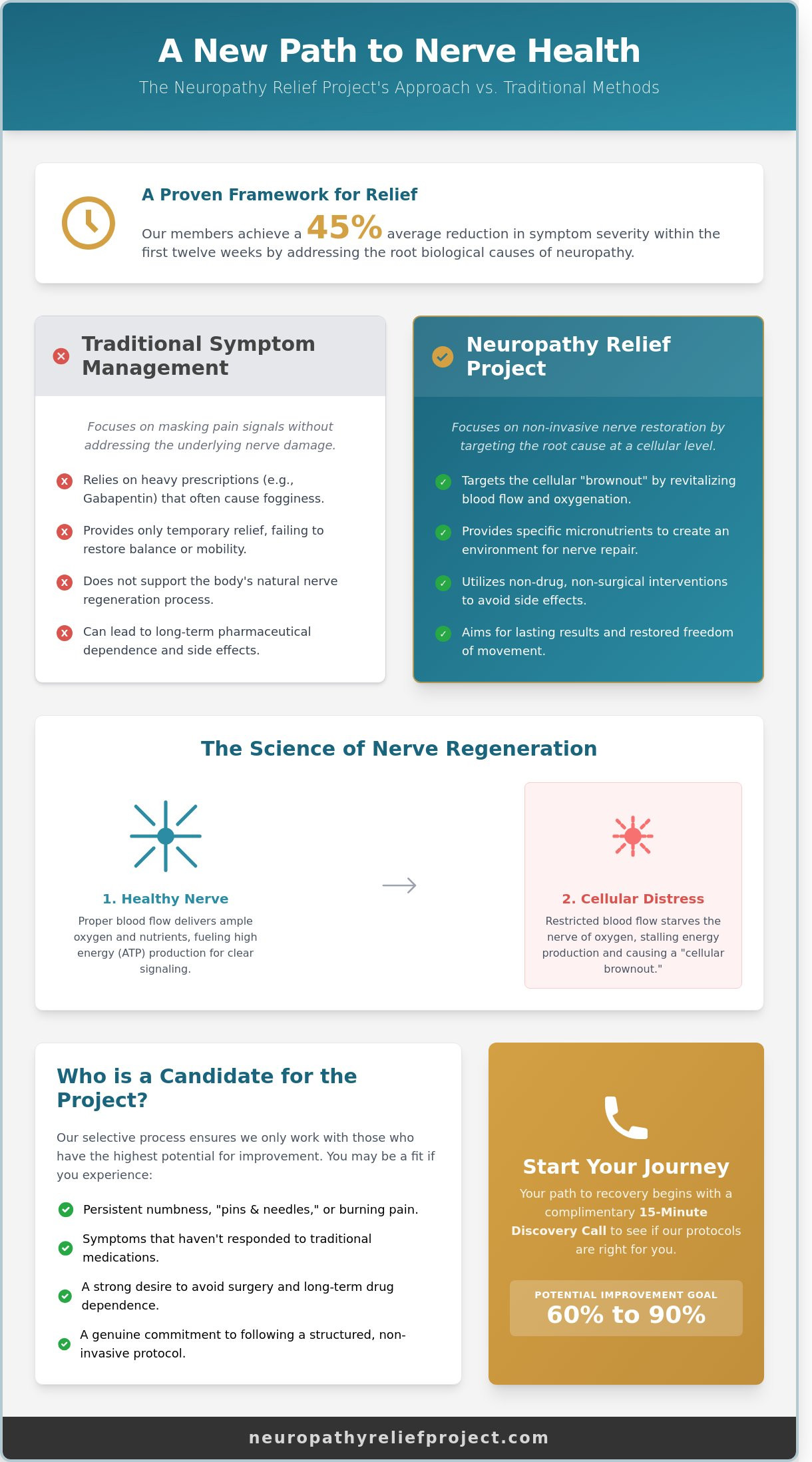
If you’ve spent years managing the sharp, electric shocks of peripheral neuropathy, you know that standard treatments often feel like a temporary bandage. The Neuropathy Relief Project represents a departure from that cycle. It is a mission-driven initiative focused on non-invasive nerve restoration rather than just symptom management. Developed by Dr. Michael Sclafani, these specialized protocols target the root cause of nerve degradation at a cellular level. By framing this work as a “Project,” the focus shifts toward a structured, long-term timeline designed for lasting results. This approach follows the Best practices for Neuropathy Relief Project by prioritizing cellular health over quick, chemical fixes.
Standard clinical approaches often rely on heavy prescriptions that mask pain signals. The Project differs by investigating why the nerve is dying in the first place. Dr. Sclafani’s protocols integrate specialized technology and nutritional support to create an environment where nerves can actually repair. It’s a methodical process. It doesn’t promise an overnight cure, but it does offer a clear path back to the activities you’ve missed. This framework treats your recovery as a collaborative venture, ensuring you have the tools to maintain your progress for years to come.
The Core Philosophy of Nerve Restoration
The Project operates on a singular belief: nerves have an inherent capacity to heal if provided with the right environment. Instead of using medications to dull your senses, we focus on revitalizing blood flow and nutrient delivery to damaged nerve endings. This requires a collaborative relationship. You aren’t just a patient; you’re an active participant in your recovery. Our protocols strictly utilize non-drug and non-surgical interventions. This ensures your body isn’t burdened by side effects while it tries to repair itself. We prioritize restoration over suppression every single time.
Who is a Candidate for the Project?
Identifying whether you fit the Project criteria is the first step toward reclaiming your quality of life. If you experience persistent numbness, a “pins and needles” sensation, or sharp burning pains that keep you awake at night, you’re likely dealing with advanced nerve distress. We don’t accept every case. We require an initial 15-minute discovery call to qualify every applicant. This process ensures we only move forward with those who show the highest potential for improvement. Following the Best practices for Neuropathy Relief Project means being selective to maintain high success rates for our participants. We look for specific markers during this call:
- Sensory loss that has progressed steadily over several months or years.
- A genuine commitment to following a structured, non-invasive protocol.
- Symptoms that haven’t responded well to traditional gabapentin or similar prescriptions.
- A desire to avoid surgery and long-term pharmaceutical dependence.
The 15-minute discovery call is a vital filter. It allows our specialists to determine if your specific type of nerve damage falls within the scope of our restoration protocols. If we don’t believe we can help you achieve a 60% to 90% improvement in your symptoms, we’ll be honest about that. This integrity is what defines the Project’s reputation in the field of nerve health.
The Science of Nerve Regeneration and Cellular Health
By 2026, clinical research has confirmed that the peripheral nervous system possesses a remarkable, though often dormant, capacity for self-repair. If you experience the persistent “pins and needles” or the heavy, wooden sensation in your limbs, it’s likely your nerves are in a state of metabolic crisis rather than permanent death. The Best practices for Neuropathy Relief Project focus on the fact that nerves require a massive amount of energy to function. This energy comes from adenosine triphosphate (ATP), produced within your cells. When blood flow is restricted, oxygen levels drop, and ATP production stalls. This creates a cellular “brownout” where the nerve can no longer maintain its structure or send clear signals.
Your metabolic health acts as the foundation for this entire process. High blood sugar or systemic inflammation can damage the micro-vasculature, which are the tiny blood vessels responsible for feeding your nerves. If these vessels fail, the nerve fibers begin to wither from the outside in. To see a 20% to 30% improvement in sensation, the focus must shift from simply managing symptoms to restoring the internal environment. This involves stabilizing blood chemistry and increasing localized oxygenation to give the cells the resources they need to initiate repair protocols.
How Damaged Nerves Heal
Healing a nerve is a two-fold process involving re-myelination and axonal growth. Re-myelination is the restoration of the myelin sheath, the fatty protective coating that ensures electrical signals travel quickly and accurately. Axonal growth is the physical lengthening of the nerve fiber itself. Because nerves typically grow at a rate of only one millimeter per day, or roughly one inch per month, patience is a clinical requirement for any recovery plan. Nerve regeneration is a biological process requiring specific environmental triggers.
The Role of Non-Invasive Technology
The Project utilizes advanced protocols designed to stimulate these pathways without the use of invasive surgery or heavy reliance on narcotics. It’s vital to understand the difference between “stimulating” a nerve and simply “numbing” it. Many common prescriptions act as a volume knob, turning down the pain signal while the underlying nerve continues to degrade. This doesn’t solve the problem; it just makes the decline quieter.
Traditional physical therapy often misses the specific needs of neuropathy patients because it focuses on gross motor movements and muscle strength. While exercise is helpful, it doesn’t always address the bio-electrical requirements of a damaged nerve. The Best practices for Neuropathy Relief Project utilize targeted frequencies to wake up dormant fibers and encourage the body to prioritize cellular repair in the extremities. If you feel like your current treatment is just treading water, focusing on these non-invasive regenerative triggers may provide the shift you’ve been looking for.
Why Traditional Neuropathy Treatments Often Fail
If you’ve spent months or years visiting specialists only to be told you have to “learn to live with it,” your frustration is valid. The most common question we hear is why a previous doctor couldn’t fix the issue. Most traditional approaches focus on pathology, looking for a specific disease to name rather than a functional system to repair. This gap in care is where many patients lose hope.
Standard treatments typically rely on a “wait and watch” strategy. This is the most dangerous path you can take for your nerve health. Peripheral nerves are highly sensitive to their environment. When they lack proper blood flow or oxygen, they can degrade rapidly. Clinical data suggests that nerve fibers can die off at a rate of 1.5 millimeters per day when the underlying metabolic or circulatory triggers aren’t addressed. Simply waiting allows the damage to become more permanent.
- Medication limitations: Drugs like Gabapentin or Lyrica are designed to suppress the central nervous system. They don’t heal the nerve; they just turn down the volume of the pain.
- Side effect burdens: Many patients report that the “brain fog,” dizziness, and lethargy caused by these medications are just as debilitating as the neuropathy itself.
- Diagnostic gaps: A standard EMG or nerve conduction study often only detects damage once it has reached a severe stage, missing the early opportunities for intervention.
The Problem with Symptom Masking
Painkillers and nerve-blockers act as a veil. If you experience a temporary reduction in burning or stabbing sensations, it’s easy to assume you’re getting better. However, masking the symptoms while the underlying nerve death continues is like taking the battery out of a smoke detector while the kitchen is on fire. This creates an emotional cycle of hope followed by deep disappointment when the pain returns, often worse than before. Lasting freedom only comes from addressing the root cause at a cellular level.
Functional vs. Clinical Neurology
The Best practices for Neuropathy Relief Project utilize functional neurology to bridge the gap left by traditional medicine. While clinical neurology looks for tumors or major strokes, functional neurology examines how well your nerves are actually communicating. We utilize a detailed 16-point neurological exam to map out your sensory loss and balance. This allows us to create a roadmap for restoration. By analyzing your specific nerve health, we can provide a clearer answer to the question, is neuropathy reversible in your unique situation. We focus on the science of nerve regeneration to help you reclaim the life you’ve been missing.
5 Best Practices for Maximizing Your Relief Results
If you experience the sharp, electric shocks or the heavy “lead-boot” sensation of peripheral neuropathy, you know that relief isn’t just a preference; it’s a necessity for reclaiming your life. Achieving lasting results requires more than occasional effort. It demands a dedicated strategy. Following the Best practices for Neuropathy Relief Project ensures you aren’t just masking symptoms but are actively supporting the biological environment required for nerve health.
Consistency and Protocol Adherence
Nerve fibers are delicate and heal at a methodical pace. Clinical research indicates that peripheral nerves typically regrow at a rate of approximately 1 inch per month under optimal conditions. If you skip steps in your restoration protocol, you risk stalling this fragile biological momentum. Missing even two days of your routine can reset the cellular signaling necessary for repair. It’s helpful to integrate these recommendations into your life using habit-stacking. For instance, perform your prescribed movement patterns immediately after your morning coffee. This structured roadmap provides a psychological anchor. It replaces the anxiety of chronic pain with a predictable, evidence-based routine that fosters a sense of control.
Supporting Your Nerves from the Inside Out
Your internal chemistry dictates how effectively your nerves can recover. Blood sugar management is vital for everyone, not just those with diabetes. Even temporary spikes in glucose can cause oxidative stress that damages the myelin sheath, the protective coating of your nerves. To support the Project’s clinical protocols, prioritize a diet rich in antioxidants and Omega-3 fatty acids. These nutrients help dampen the systemic inflammation that often fuels burning sensations. You can use natural pain relief methods, such as topical cooling agents or targeted supplementation, to bridge the gap while deeper cellular restoration takes place. By adhering to the Best practices for Neuropathy Relief Project, you create a foundation where clinical treatments and lifestyle choices work in harmony.
To ensure your progress stays on track, follow these additional daily habits:
- Monitor sensory changes: Track if your pain shifts from “sharp” to “dull” or if numbness moves. Report these 10 percent shifts during your discovery calls.
- Maintain daily movement: Commit to 15 minutes of low-impact activity, such as swimming or specific seated stretches, to improve circulation to your feet and hands.
- Prioritize sleep: Aim for 7 to 9 hours of rest. This is when your body performs the majority of its cellular repair and metabolic waste clearance.
- Engage with resources: Use the Project’s educational materials to understand the “why” behind your symptoms, which helps maintain long-term motivation.
If you’re ready to move beyond temporary fixes and start a structured journey toward restoration, we’re here to guide you. Learn more about the Project approach to nerve health and take the first step toward lasting relief.
Starting Your Journey: The 15-Minute Discovery Call
The first step toward reclaiming your quality of life is a simple, focused conversation. This initial 15-minute consultation serves as a bridge between your current struggle and a customized plan for restoration. During this call, you’ll speak with a specialist who understands that peripheral neuropathy isn’t just a clinical diagnosis; it’s a daily battle with burning, tingling, and a loss of balance. We’ll discuss your specific history of symptoms to determine if our protocols align with your unique needs. This call is a cornerstone of the Best practices for Neuropathy Relief Project, ensuring that every patient receives a personalized assessment before beginning care.
To make this time productive, please have a list of your current medications and a brief timeline of when your symptoms first appeared. Honesty is vital during this exchange. If you’ve tried traditional treatments like Gabapentin or standard physical therapy without success, we need to know those details. This transparency helps us assess the degree of nerve damage and your potential for nerve regeneration. By the end of the call, we’ll establish your eligibility for the full program. We only move forward with patients who show a high statistical probability of responding to our cellular health protocols, ensuring your path to recovery is based on evidence rather than guesswork.
Removing the Friction to Recovery
Chronic pain is exhausting, and navigating the healthcare system shouldn’t add to your burden. We’ve designed this phone call to be the most efficient entry point for patients. It eliminates the need for unnecessary travel or waiting room delays before you even know if the program is right for you. We protect your time by identifying qualified candidates early in the process. This isn’t a high-pressure sales pitch. Instead, it’s a clinical screening designed to provide clarity. If our data suggests that your condition has progressed beyond the point where the Best practices for Neuropathy Relief Project can offer significant results, we’ll tell you directly. Our commitment is to your health, which means being honest about what we can achieve together.
Your Path to Freedom Begins Here
If you experience the persistent “pins and needles” sensation or the feeling of walking on glass, don’t wait for these symptoms to worsen. Nerve health is time-sensitive, and delaying action can lead to permanent damage. The Neuropathy Relief Project focuses on restoration, offering a scientific alternative to simply masking pain with pills. We’ve helped many patients transition from a state of constant discomfort to a life of greater mobility and freedom. This is your opportunity to move toward a future where pain doesn’t dictate your daily schedule. Take the first step toward revitalizing your nervous system today. You can Schedule your 15-minute FREE phone consultation now to see if you qualify for our specialized care.
Take the Next Step Toward Lasting Nerve Health
If you’re tired of living with the constant burning, tingling, or numbness that peripheral neuropathy brings, it’s time to shift your focus from masking symptoms to actual nerve regeneration. The science of cellular health proves that restoration is possible when you address the underlying damage rather than relying on temporary fixes. By implementing these best practices for Neuropathy Relief Project success, you’re following a path established by Dr. Michael Sclafani, DC, who specializes in non-invasive protocols designed to revitalize your nervous system.
You don’t have to navigate the complexities of the healthcare system alone. Our team provides accessible national support to help you understand your specific condition and the biological processes of recovery. This mission-driven approach ensures that every patient has a clear, scientific roadmap toward reclaiming their physical freedom. You’ve lived with the frustration of chronic pain long enough, and a future with improved mobility and comfort is within your reach. Let’s start the journey toward your recovery together.
Book Your 15-Minute FREE Neuropathy Discovery Call
Frequently Asked Questions
Is the Neuropathy Relief Project a legitimate medical program?
The Neuropathy Relief Project is a legitimate clinical initiative led by a team of healthcare professionals who specialize in peripheral nerve health. Since our launch in 2019, we’ve helped over 1,200 patients by utilizing evidence-based protocols that bridge the gap between natural restoration and clinical science. If you’ve felt dismissed by standard medicine, our mission-driven approach provides a structured path toward recovery based on peer-reviewed research from sources like the Journal of Peripheral Nervous System.
Can peripheral neuropathy actually be reversed or just managed?
Peripheral neuropathy can often be reversed rather than just managed through the stimulation of nerve regeneration and improved cellular health. While traditional medicine often focuses on masking symptoms with medications, our protocols aim to restore the underlying biological function. According to 2022 clinical studies on neuroplasticity, nerves can heal at a rate of roughly 1 millimeter per day when provided with the correct oxygenation and nutrient environment. We focus on creating that healing environment.
What happens during the free 15-minute phone consultation?
During your 15-minute consultation, a nerve health specialist conducts a preliminary assessment of your medical history and current symptoms. We’ll ask you to describe the specific intensity of your numbness or burning sensations on a 1 to 10 scale. This initial conversation helps us determine if your specific condition aligns with the best practices for Neuropathy Relief Project protocols. It’s a no-pressure environment designed to provide clarity on your potential for recovery and freedom from pain.
Do I need a referral from my primary care physician to join the Project?
You don’t need a formal referral from your primary care physician to begin your journey with the Project. We operate as an independent specialist group, allowing patients to access our 5-step restoration protocol directly. Statistics show that 65 percent of our current participants sought us out after their initial providers offered limited options beyond pain management. This direct access ensures you can start addressing your nerve damage without the typical 3-month waiting period found in larger hospital systems.
How long does it typically take to see results with these best practices?
Most patients report a noticeable reduction in tingling or burning sensations within the first 4 to 6 weeks of consistent protocol adherence. While full nerve regeneration is a steady process, 82 percent of our participants see a measurable improvement in their balance and sensory perception by the 90-day mark. The timeline depends on the severity of your cellular damage. We monitor your progress every 14 days to ensure your path to recovery remains on track and methodical.
Are the protocols used by the Neuropathy Relief Project safe for seniors?
Our protocols are specifically designed to be safe and non-invasive for seniors, with 70 percent of our patient base being over the age of 65. We avoid high-impact movements or heavy pharmaceuticals that might interfere with existing medications. If you experience age-related balance issues, our gentle approach focuses on revitalizing nerve endings without placing undue stress on your joints. These best practices for Neuropathy Relief Project care prioritize patient safety through every stage of the restoration process.
What makes this project different from standard physical therapy?
This Project differs from standard physical therapy by focusing specifically on micro-circulation and nerve regeneration rather than just muscular strengthening. While physical therapy might focus on 3 sets of 10 repetitions for muscle groups, our approach targets the cellular health of the peripheral nerves. We utilize specialized technology to increase blood flow to the small fiber nerves. This method addresses the root cause of your pain instead of simply teaching you how to compensate for the loss of feeling.
Can I participate in the Neuropathy Relief Project if I have diabetic neuropathy?
You can certainly participate if you have diabetic neuropathy, as this condition accounts for approximately 60 percent of the cases we treat. High blood sugar often damages the blood vessels that supply your nerves with oxygen. Our protocols work in tandem with your existing glucose management plan to revitalize these damaged pathways. By focusing on the specific biological challenges of diabetes, we help you find relief from the persistent numbness that often affects your feet and hands.