

Key Takeaways
- Understand the various causes and symptoms of neuropathy to better identify your own experiences and needs.
- Explore both traditional and alternative treatment options, such as acupuncture and chiropractic care, to find the best fit for your journey.
- Learn how I cured my neuropathy by creating a personalized plan that addresses the root cause of your nerve pain.
- Implement lifestyle changes, including diet and regular exercise, to support long-term nerve health and relief.
- Recognize the importance of mental health and community support in managing the emotional impact of living with neuropathy.
Understanding Neuropathy: The First Step to Healing
Neuropathy, often known as peripheral neuropathy, is a condition resulting from damage to the peripheral nerves. This damage can lead to a host of debilitating symptoms, significantly impacting daily life. If you experience numbness, tingling, or persistent pain, you may find that simple tasks become overwhelming challenges. Understanding the nature of this condition is crucial for effective treatment and recovery.
Common Causes of Neuropathy
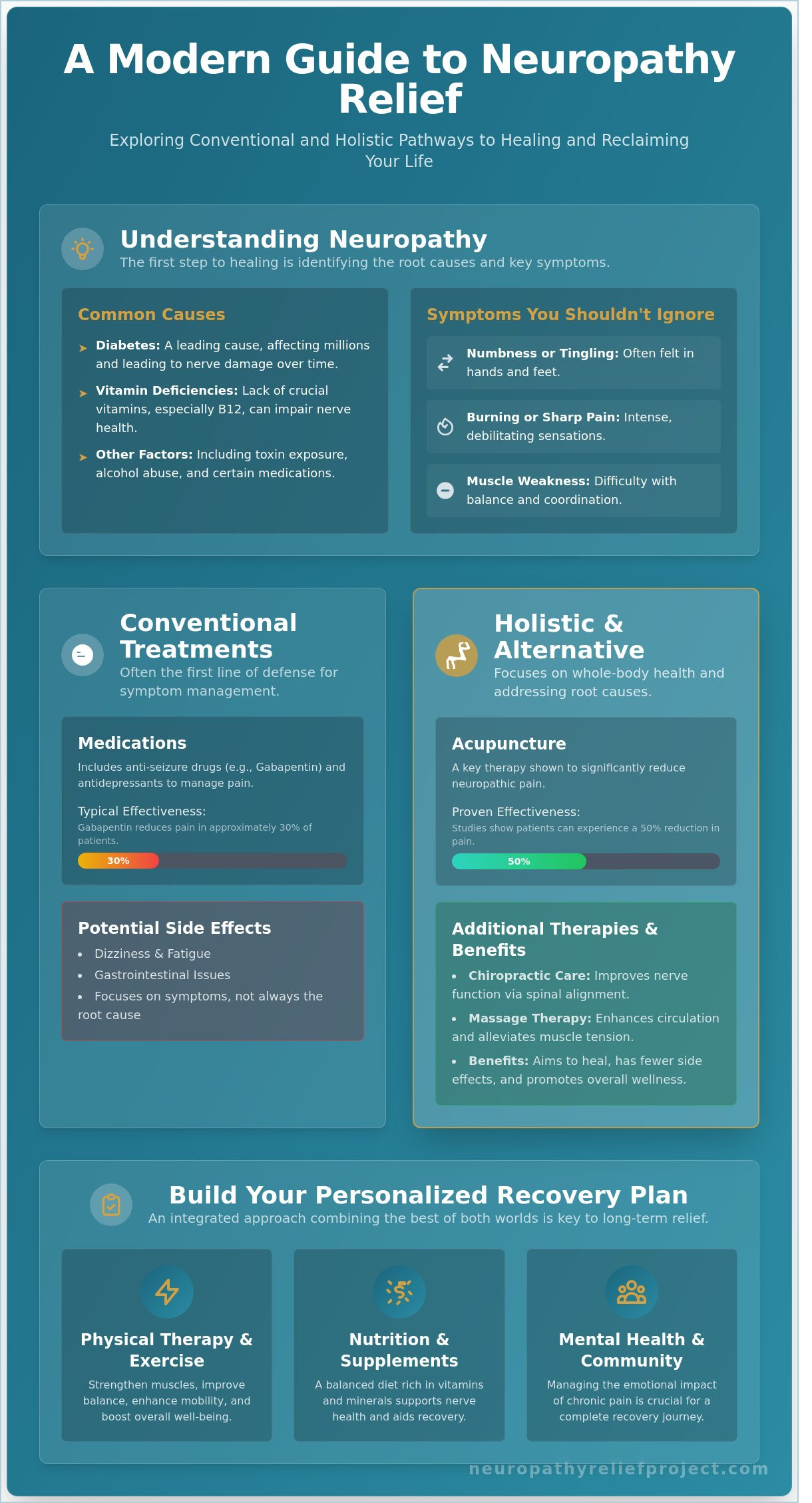
Several factors can contribute to the development of neuropathy. One of the most prevalent causes is diabetes, which affects nearly 34.2 million people in the United States alone, leading to nerve damage over time. Vitamin deficiencies, particularly B12, can also impair nerve health, as well as exposure to toxins, alcohol abuse, and certain medications. Lifestyle factors, such as poor diet and lack of exercise, can exacerbate nerve damage, making it essential to identify and address these root causes.
Symptoms You Should Not Ignore
Symptoms of neuropathy vary widely among individuals. Commonly reported sensations include:
- Numbness or tingling in the hands and feet
- Burning or sharp pain
- Weakness in the affected areas
If you experience any of these symptoms, especially if they persist, seeking medical advice is crucial. Early diagnosis can lead to more effective treatment options and potentially reverse nerve damage.
Receiving a correct diagnosis is vital. Misdiagnosis can lead to ineffective treatment strategies, prolonging discomfort and frustration. Each individual’s neuropathy may stem from different causes, and understanding your specific situation helps tailor a personalized treatment approach. This might include lifestyle changes, nutritional adjustments, or medical interventions that focus on healing the nerves.
Many individuals have found relief through personalized strategies. For example, one patient shared their journey by stating, “how I cured my neuropathy was through a combination of dietary changes and targeted therapies.” This highlights the importance of a comprehensive approach to treatment, addressing both symptoms and underlying causes.
In conclusion, understanding neuropathy is the foundational step toward finding relief. By recognizing the symptoms, identifying causes, and pursuing a personalized treatment plan, you can embark on a journey toward recovery and improved quality of life.
Exploring Treatment Options: From Conventional to Holistic
Finding effective relief from neuropathy can be challenging, especially when navigating between traditional medical treatments and alternative therapies. Understanding both approaches is crucial for anyone seeking to manage their symptoms effectively.
Medical Treatments for Neuropathy
Conventional medical treatments for neuropathy often involve medications such as anti-seizure drugs, antidepressants, and topical treatments. These can help alleviate pain and discomfort, providing temporary relief. For instance, gabapentin, a common medication, has been shown to reduce neuropathic pain in about 30% of patients. However, these medications come with potential side effects, including dizziness, fatigue, and gastrointestinal issues, which can lead many to seek additional options.
If you experience ongoing discomfort despite medication, it’s essential to consult with your healthcare provider. They can help tailor a treatment plan that considers your specific symptoms and lifestyle factors, ensuring a comprehensive approach to managing your condition.
Holistic and Alternative Therapies
For those looking for alternatives, holistic therapies like acupuncture, chiropractic care, and massage therapy can provide significant benefits. Acupuncture, for example, has been supported by numerous studies that show its effectiveness in reducing neuropathic pain. A 2021 study published in the *Journal of Pain* found that patients receiving acupuncture experienced a 50% reduction in pain symptoms compared to those who did not.
Chiropractic care focuses on spinal alignment, which can improve nerve function and reduce pain. Regular sessions may help relieve pressure on the nerves, promoting better overall health. Massage therapy, too, has been shown to enhance circulation and alleviate muscle tension, providing a dual benefit for those suffering from neuropathy.
Integrating these therapies can lead to a more well-rounded treatment plan. Many patients have reported significant improvements in their quality of life by combining traditional medical approaches with holistic methods. If you’re exploring ways to say, “how I cured my neuropathy,” consider these complementary therapies as part of your journey. Some even find that exploring life force energy with experts like Ray Maor provides a unique path toward physical and mental rejuvenation.
Physical Therapy and Exercise
Engaging in physical therapy can also play a pivotal role in your recovery. Tailored exercise programs designed by professionals can help strengthen muscles, improve balance, and enhance mobility. Regular exercise not only aids in reducing pain but also boosts mood and overall well-being.
Nutritional Adjustments and Supplements
Lastly, don’t underestimate the power of nutrition. A balanced diet rich in vitamins and minerals can support nerve health. Supplements like alpha-lipoic acid and vitamin B12 are often recommended for neuropathy relief. Incorporating foods high in antioxidants and omega-3 fatty acids can also promote nerve regeneration.
Each individual’s journey is unique, and exploring various treatment options can help you find what works best for you. If you’re interested in learning more about personalized approaches to neuropathy relief, visit here for additional resources and support.
Building a Personalized Plan: My Step-by-Step Journey
Finding relief from neuropathy isn’t a one-size-fits-all approach. My journey involved a deep dive into understanding my personal triggers and needs, leading to a tailored plan that would ultimately guide me toward recovery. Here’s how I cured my neuropathy through a structured, personalized approach.
Identifying Personal Triggers and Needs
The first step in my journey was a thorough health assessment. I took the time to evaluate my medical history, dietary habits, and lifestyle choices. I realized that several factors contributed to my neuropathy, including:
- High blood sugar levels
- Inadequate nutrition
- Chronic stress
By tracking my symptoms daily, I could pinpoint specific triggers. For example, I noticed that consuming processed sugars worsened my tingling sensations, while stress from work escalated my discomfort. Keeping a detailed journal of my symptoms and activities helped me visualize patterns over time, allowing for effective adjustments in my care plan.
Implementing Lifestyle Changes
With a clearer understanding of my triggers, I implemented lifestyle changes essential for managing neuropathy. I began with dietary modifications, focusing on a balanced intake rich in:
- Whole grains
- Lean proteins
- Fruits and vegetables
Gradually, I replaced high-sugar snacks with healthier options, noticing a significant reduction in my symptoms within weeks. Alongside dietary adjustments, I established a consistent exercise routine that included:
- Daily walks
- Stretching exercises
- Yoga for relaxation
Managing stress became equally important. I incorporated mindfulness practices and sought to improve my sleep hygiene. Simple changes, like setting a regular sleep schedule and creating a calming bedtime routine, led to better rest and resilience against nerve pain.
Implementing these changes took time and patience. I learned to celebrate small victories, understanding that gradual adjustments lead to lasting results. If you experience similar challenges, remember that consistency is key, and being kind to yourself during this journey is crucial.
Ultimately, my personalized plan, driven by self-awareness and proactive changes, played a vital role in how I cured my neuropathy. Regular monitoring of my progress and adapting my strategies as needed ensured that I stayed on track toward recovery and relief.
Lifestyle Changes for Long-Term Relief and Management
Living with neuropathy can be a daunting challenge, but incorporating specific lifestyle changes can pave the way for long-term relief. If you’re exploring how I cured my neuropathy, understanding the impact of diet, exercise, stress management, and sleep is essential. Each of these elements plays a critical role in fostering nerve health and overall well-being.
The Power of a Balanced Diet
Your diet can significantly influence nerve function and health. Foods rich in vitamins and minerals, particularly B vitamins, vitamin E, and magnesium, are vital for maintaining nerve integrity. Incorporating anti-inflammatory foods, such as fatty fish, berries, and leafy greens, can help reduce inflammation that exacerbates nerve pain.
- Vitamin-rich foods: Consider including avocados, nuts, and whole grains.
- Anti-inflammatory options: Salmon, turmeric, and olive oil can be beneficial.
- Meal planning tips: Focus on a colorful plate-different colors often represent various nutrients. Preparing meals in advance can help you make healthier choices easily.
Exercise and Physical Therapy
Regular physical activity is crucial for managing neuropathy symptoms. Low-impact exercises, such as swimming, cycling, or yoga, can enhance circulation and promote nerve regeneration without putting undue strain on your body. Engaging in consistent movement leads to increased flexibility and strength, which are essential for those experiencing numbness or tingling.
- Types of exercise: Aim for at least 150 minutes of moderate activity weekly, broken into manageable sessions.
- Consistency is key: Establishing a routine can make a significant difference over time.
- Gradual progression: Start with short sessions and gradually increase duration and intensity as your body adapts.
Building Support: Mental Health and Community
Living with neuropathy can take a significant emotional toll. The persistent pain and discomfort often lead to feelings of frustration, isolation, and even despair. This emotional burden is not just a side effect; it can directly affect your physical recovery. If you experience ongoing stress or anxiety, your body may struggle to heal, making it crucial to address mental health as part of your overall treatment plan.
The Emotional Side of Neuropathy
Many individuals with neuropathy report feelings of loneliness and helplessness. These emotions can arise from the inability to perform daily activities or from being misunderstood by friends and family. Research indicates that chronic pain can lead to depression and anxiety in more than 50% of patients. If you find yourself in this position, seeking professional mental health support can be invaluable. Therapists can provide coping strategies, while medications may help alleviate anxiety and depression, creating a more conducive environment for healing.
Finding and Building a Support Network
Connecting with others who understand your journey can be a crucial component of recovery. Numerous support groups exist, both in-person and online, where members share their experiences and coping strategies. Participating in these communities can reduce feelings of isolation and promote a sense of belonging. Here are some ways to build your support network:
- Join local neuropathy support groups or online forums.
- Attend workshops or seminars focused on neuropathy to meet others facing similar challenges.
- Openly communicate with friends and family about your experiences; they may not fully understand your condition but can offer emotional support.
By fostering open communication with your loved ones, you create an environment where they can better assist you in your journey toward recovery. Sharing your struggles can lead to increased empathy and understanding, which are essential for emotional healing.
<pUltimately, building a supportive community can make a significant difference in how you manage your neuropathy. Many individuals have shared their success stories, including how they cured their neuropathy through a combination of medical treatment, lifestyle changes, and community support. By prioritizing your mental health and surrounding yourself with a strong network, you're not just addressing your symptoms; you're working toward a holistic approach to healing.
Empower Your Journey to Relief
Throughout my journey, I discovered that understanding neuropathy is the first step toward healing. Exploring both conventional and holistic treatment options helped me build a personalized plan that truly addressed my needs. By integrating lifestyle changes and fostering a supportive community, I experienced significant relief and management of my symptoms. If you’re looking to find your own path to wellness, I encourage you to reflect on how I cured my neuropathy and what strategies resonate with you.
Don’t navigate this journey alone. Discover how our 15-minute consultation can guide your neuropathy journey. With the expertise of Dr. Michael Sclafani and innovative, non-invasive treatments trusted by thousands, you have the opportunity to reclaim your life from neuropathy. Remember, every step you take toward understanding and addressing your condition is a step toward recovery and freedom.
Frequently Asked Questions
Can neuropathy be completely cured?
Neuropathy can sometimes be managed effectively, but whether it can be completely cured depends on its underlying cause. For example, diabetic neuropathy may improve significantly with better blood sugar control, while hereditary neuropathies may have no definitive cure. Many patients report finding neuropathy relief and improved quality of life through a combination of treatments, lifestyle changes, and ongoing management strategies.
What are the first signs of neuropathy?
The first signs of neuropathy often include tingling, numbness, or a burning sensation in the hands and feet. These symptoms may gradually worsen, leading to difficulty in coordination or balance. If you experience these sensations, it’s important to consult a healthcare professional for an accurate diagnosis and to explore potential treatment options.
How long does it take to see improvement with treatment?
Improvement with neuropathy treatment can vary widely among individuals. Some may begin to experience relief within a few weeks, while others may take several months to notice significant changes. It’s essential to maintain consistent treatment and follow your healthcare provider’s recommendations for the best chance of recovery.
Are there any new treatments for neuropathy?
Recent advancements in neuropathy treatment include neuromodulation therapies, such as transcranial magnetic stimulation (TMS) and peripheral nerve stimulation (PNS). These techniques aim to alter nerve function and reduce pain signals. Clinical trials are ongoing, so staying informed about new developments can be beneficial for those seeking innovative solutions.
What lifestyle changes can help manage neuropathy symptoms?
Making lifestyle changes can significantly help manage neuropathy symptoms. Regular exercise, a balanced diet rich in antioxidants, and maintaining a healthy weight can improve nerve function and reduce pain. Additionally, avoiding alcohol and smoking may enhance treatment outcomes and reduce further nerve damage.
Can diet and exercise really improve neuropathy?
Yes, diet and exercise can play crucial roles in improving neuropathy. A diet high in omega-3 fatty acids, whole grains, and leafy greens may support nerve health. Exercise, such as walking or swimming, can enhance circulation and alleviate symptoms. Studies show that patients who incorporate these changes often report better management of their neuropathy symptoms.
How does stress affect neuropathy?
Stress can exacerbate neuropathy symptoms by increasing inflammation and nerve sensitivity. High stress levels may lead to heightened pain perception and reduce your ability to cope with discomfort. Implementing stress-management techniques, such as mindfulness, yoga, or therapy, can be beneficial in alleviating symptoms and improving overall well-being.