
If you’ve spent another night at 3:15 AM pacing the floor because the burning sensation in your feet feels like walking on hot coals, you understand that peripheral neuropathy isn’t just a diagnosis; it’s a thief of sleep and stability. It’s frustrating to face a sea of flashy advertisements for “miracle” infrared boots or vibrating plates when you’re simply trying to navigate your own hallway without the constant fear of a fall. This neuropathy relief equipment guide cuts through the marketing noise to provide the clinical clarity you’ve been seeking.
We agree that managing nerve pain shouldn’t feel like a guessing game played with your own mobility. If you experience that sharp, electric jolt every time your feet touch the carpet, you aren’t alone. Research from the Foundation for Peripheral Neuropathy indicates that over 30 million Americans struggle with these symptoms, yet many remain stuck using ineffective tools. This Project aims to change that by showing you exactly which therapeutic devices and assistive tools actually support nerve regeneration and improve balance. You’ll discover how to select medically sound equipment that reduces daily pain and helps you reclaim your independence. We’ll explore the science behind electrical stimulation, specialized footwear, and the precise tools that foster long-term cellular health.
Key Takeaways
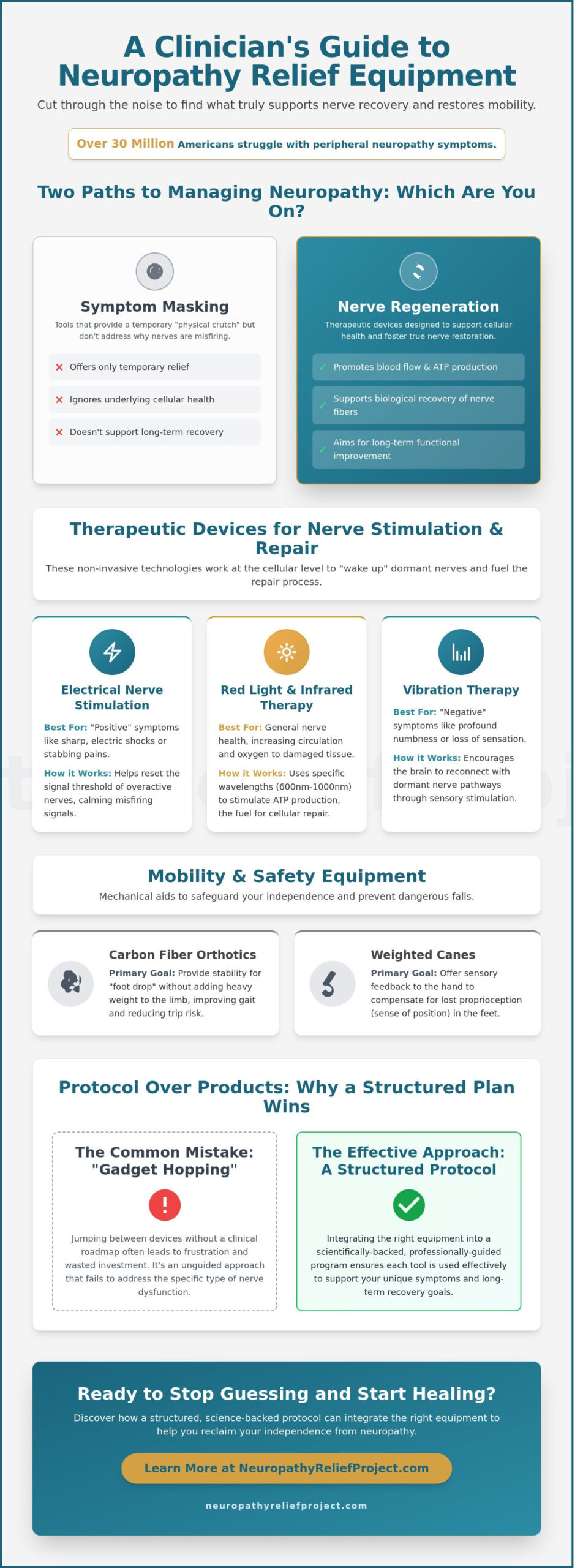
- Distinguish between tools that offer temporary symptom masking and advanced therapeutic devices designed to support nerve regeneration and cellular health.
- Use this comprehensive neuropathy relief equipment guide to identify non-invasive technologies that promote blood flow and stimulate ATP production from home.
- Learn how to safeguard your independence by selecting the right mobility aids to prevent dangerous falls and restore your natural sense of balance.
- Discover practical household tools and specialized strategies to soothe night-time burning, ensuring the deep sleep necessary for your body’s recovery.
- Understand why integrating equipment into a structured, scientifically-backed protocol is more effective than “gadget hopping” without a clinical roadmap.
Understanding Neuropathy Relief Equipment: Relief vs. Regeneration
Living with the relentless burning or the unsettling void of numbness makes every step feel like a challenge. If you’ve been searching for a path back to comfort, this neuropathy relief equipment guide serves as your roadmap. We define neuropathy relief equipment as specialized tools designed to either mitigate chronic pain or restore the physical functions lost to nerve damage. According to the National Institutes of Health, over 20 million Americans face these challenges daily, yet many are only offered temporary solutions that mask the symptoms. The Neuropathy Relief Project views equipment through a different lens, focusing on how technology can support cellular health rather than just providing a physical crutch.
The critical distinction lies between mechanical aids and therapeutic devices. While a cane helps you walk, it doesn’t address why your nerves are misfiring. One-size-fits-all equipment often fails because it ignores the fact that 60% to 70% of diabetic neuropathy cases involve specific metabolic damage that requires targeted intervention. For those seeking a deeper grasp of their condition, Understanding Peripheral Neuropathy is essential to recognize why your body requires specific wavelengths of light or precise electrical frequencies to heal. Our approach categorizes tools based on their ability to foster nerve restoration, moving beyond simple symptom management toward true recovery.
Sensory vs. Mechanical Support Systems
If you experience a loss of balance or “foot drop,” mechanical support systems are your priority. These tools include:
- Carbon fiber orthotics: These provide stability without adding heavy weight to the limb.
- Weighted canes: These offer sensory feedback to the hand to compensate for lost proprioception in the feet.
Sensory tools, however, target the internal environment of the nerve. Devices using infrared light at wavelengths between 600nm and 1000nm aim to increase local circulation and oxygenate damaged tissue. While mechanical aids prevent falls, sensory tools work to modulate the “burning” and “tingling” signals that disrupt your life.
Matching Equipment to Your Specific Nerve Symptoms
If you suffer from “positive” symptoms like electric shocks or stabbing pains, your nerves are overactive. In these cases, tools like Electrical Nerve Stimulation can help reset the signal threshold. If you struggle with “negative” symptoms like profound numbness, you may benefit more from vibration therapy, which encourages the brain to reconnect with dormant nerve pathways. By aligning the specific mechanism of a device with your unique clinical presentation, you prevent the common pitfall of investing in expensive gear that is biologically incapable of addressing your specific type of nerve dysfunction.
Therapeutic Devices for Nerve Stimulation and Repair
If you experience the relentless burning or the heavy, “lead-boot” sensation of nerve damage, you know that relief often feels out of reach. This neuropathy relief equipment guide focuses on non-invasive technologies designed to wake up dormant nerves. These tools work by increasing cellular ATP (adenosine triphosphate) production, which acts as the fuel for nerve repair. Integrating these devices into a structured peripheral neuropathy reversal program shifts the focus from masking symptoms to supporting the biological recovery of the nerve fiber itself.
Modern medicine increasingly recognizes Therapeutic Devices for Nerve Stimulation as a viable alternative to pharmacological interventions. Using these tools daily builds a “nerve hygiene” routine that promotes consistent blood flow to oxygen-starved extremities. Safety is paramount; because neuropathy often causes desensitization, you must monitor your skin for redness or irritation. Since you may not feel a burn or excessive pressure, devices should be used on a timer to prevent accidental overexposure. Consistent, low-intensity stimulation is more effective for long-term recovery than sporadic, high-intensity sessions.
Red Light Therapy (Photobiomodulation)
This technology utilizes specific light wavelengths, typically 660nm for skin-level issues and 850nm for deep tissue penetration, to stimulate mitochondrial activity. When these photons hit the cells, they trigger the release of nitric oxide, which expands blood vessels and increases microcirculation to peripheral nerves. Professional-grade units are distinguished by their irradiance levels, often delivering over 100 mW/cm² of power. In contrast, low-cost consumer LEDs frequently lack the intensity required to reach deep-seated nerves, making the choice of hardware a critical factor in your recovery.
Electrical Stimulation: TENS vs. EMS
TENS units provide immediate, temporary relief by blocking pain signals before they reach the brain, utilizing the gate control theory of pain management. Conversely, EMS focuses on muscle contraction to prevent atrophy in limbs where nerve signals have weakened. For a neuropathy relief equipment guide to be effective, it must emphasize that frequency and pulse width settings are vital. Settings between 1 and 10 Hz are typically used to encourage blood flow, while higher frequencies near 100 Hz target acute pain.
If you’re ready to take the next step toward reclaiming your mobility, you can explore our recommended recovery protocols
Mobility and Safety Equipment: Preventing Falls
If you feel like you’re walking on cotton or can’t tell exactly where your feet are in the dark, you’re experiencing a loss of proprioception. This is often the first symptom of nerve damage and the most dangerous to ignore. A 2019 study published in the Journal of Diabetes and its Complications revealed that individuals with peripheral neuropathy are 15 times more likely to fall than those without the condition. This neuropathy relief equipment guide highlights how the right tools act as a surrogate nervous system, helping your brain re-map the floor beneath you.
The hierarchy of mobility aids begins with simple stability. While a standard cane provides a third point of contact, advanced equipment focuses on sensory restoration. By integrating balance training into your daily recovery project, you aren’t just preventing a fall; you’re actively retraining your neurological pathways to process spatial information more effectively. It’s about more than just standing up; it’s about reclaiming the confidence to move through your own home. You don’t have to accept a life of limited movement when the right technology can bridge the gap.
Sensory Prosthetics and Wearable Balance Aids
High-tech wearable devices like Walkasins provide a bridge where nerves have failed. These devices use a leg cuff and a sensor-lined insole to track your movement. When you tilt too far, the cuff vibrates to signal your brain to adjust your posture. In a 10-week clinical trial, users saw a 46% improvement in their functional gait assessment scores. These sensory prosthetics are best for patients who still have some sensation in their lower legs but struggle with “foot drop” or severe numbness in the soles of their feet. They offer a sophisticated alternative to traditional bracing by stimulating the brain rather than just supporting the limb.
Specialized Footwear and Orthotics
Your shoes are more than just clothing; they’re medical equipment. According to the NINDS peripheral neuropathy treatments guide, orthopedic shoes are vital for protecting vulnerable skin and maintaining stability. A wide toe box is non-negotiable to prevent the friction that leads to neuropathic ulcers. Custom orthotics are equally critical, as they can redistribute pressure by up to 30%, protecting “hot spots” where burning sensations are most intense. This neuropathy relief equipment guide recommends a professional fitting to ensure the foot is fully supported without being constricted.
Never wear shoes with thick, marshmallow-like foam soles because they act as a sensory barrier that makes it impossible for your brain to feel the ground.
- Choose seamless interiors to prevent skin irritation and blisters.
- Look for rocker-bottom soles to reduce pressure on the ball of the foot.
- Prioritize lightweight materials to combat leg fatigue during daily activities.
- Select velcro or elastic closures if you have numbness in your fingers.
Integrating these tools into your lifestyle creates a safety net. It allows you to focus on the long-term work of nerve regeneration without the constant fear of a life-altering injury. By choosing equipment that addresses both the physical and sensory aspects of the condition, you take a proactive step toward regaining your independence.
Daily Comfort Aids: Managing Symptoms Around the House
If you’re managing chronic nerve pain, your home environment is either a source of stress or a tool for recovery. This neuropathy relief equipment guide focuses on the low-tech, high-impact aids that improve your daily comfort. Many patients find that their symptoms intensify at night, a phenomenon often linked to the natural drop in cortisol levels between 10 PM and 2 AM. By using simple assistive equipment, you can create a nerve-friendly space that supports cellular health and reduces the constant hum of discomfort. Finding the right tools for your specific symptoms is a core part of any successful neuropathy relief equipment guide.
Compression Wear and Specialized Socks
The debate over compression wear for peripheral neuropathy centers on blood flow. While mild compression (8-15 mmHg) helps move fluid out of swollen tissues, excessive pressure can actually hinder arterial flow to the nerves. If you experience heavy or throbbing legs, specialized socks can help. Silver-threaded or copper-infused options are particularly effective. These materials manage moisture and provide antimicrobial protection. This is vital since approximately 25% of people with diabetic neuropathy are at a higher risk for skin infections. You’ll know your socks are too tight if you see deep indentations or red rings on your skin after 30 minutes. This indicates the fabric is restricting circulation rather than supporting it.
Foot Massagers and Sensory Stimulation Tools
Vibration is a powerful way to wake up dormant nerves. Clinical observations suggest that localized vibration can increase microcirculation by up to 20% in the extremities. This boost delivers the oxygen necessary for nerve regeneration. However, you must be careful with heat-based massagers. If your thermal sensation is impaired, you won’t feel if the device becomes dangerously hot. Stick to manual tools like myofascial release balls or non-heated vibration plates. These allow you to target foot tension without the risk of accidental burns. If you’re unsure about your sensitivity levels, test device temperatures with a thermometer before use.
Night-time burning often disrupts the healing process. A simple bed cradle or sheet riser keeps heavy blankets off your feet. This reduces the tactile allodynia that makes sleep impossible for many. Our team at the Neuropathy Relief Project recommends these low-tech adjustments as the foundation of any recovery plan. By removing physical irritants, you give your nervous system the quiet environment it needs to begin the restoration process. Small changes in your daily routine often lead to the most significant long-term shifts in pain levels.
Ready to reclaim your mobility? Explore our comprehensive relief protocols today.
Why Professional Guidance Outperforms DIY Equipment
If you’ve spent hundreds of dollars on vibrating foot baths or generic TENS units from big-box retailers, you aren’t alone. Many people living with chronic numbness and burning fall into a cycle of gadget hopping. This involves buying the latest advertised device in hopes of a quick fix, only to find the pain remains or even worsens. A comprehensive neuropathy relief equipment guide isn’t just a list of products; it’s a clinical strategy. Without a recovery roadmap, you’re simply treating symptoms while the underlying nerve damage continues to progress. True restoration requires more than a plug-and-play device; it requires a protocol that addresses your specific cellular health needs.
Our “Project” approach integrates specialized equipment into a scientifically-backed framework. We don’t just hand you a tool and wish you luck. Instead, we provide a structured plan that dictates exactly how and when to use specific technologies to maximize nerve regeneration. This shift from “trying things out” to “following a protocol” is what separates those who find temporary comfort from those who achieve long-term liberation from pain. If you want to stop the cycle of frustration, you have to move beyond the DIY mindset.
The Risks of Unsupervised Neuropathy Equipment Use
If you experience sharp, electric-shock sensations, using a stimulator with incorrect pulse-width settings can backfire. Clinical data suggests that improper electrical frequencies can actually cause further nerve irritation, potentially accelerating the damage you’re trying to fix. Additionally, poorly fitted mobility aids or orthotics often create a false sense of security. This can lead to balance issues or skin breakdown that you might not feel due to existing numbness. Most importantly, idiopathic neuropathy causes must be identified before choosing any hardware. If the source of your nerve distress remains unknown, even the most expensive equipment will fail to provide lasting results.
- Incorrect Settings: Using high-intensity settings on home units can overstimulate damaged axons.
- Masking Symptoms: Relying on temporary relief tools can delay necessary clinical intervention.
- Skin Integrity: Unsupervised heat or compression can cause burns or ulcers in desensitized limbs.
Transitioning from Relief to Regeneration
The Neuropathy Relief Project helps you qualify for advanced recovery protocols that go far beyond what you’ll find in a standard neuropathy relief equipment guide. We focus on the biological processes of nerve tissue restoration, ensuring your equipment works in harmony with your body’s natural healing capabilities. What can you expect during your free 15-minute discovery call with a nerve specialist? We’ll discuss your specific symptoms, review your history, and determine if you’re a candidate for our specialized restoration program.
Taking this first step is about more than just managing pain; it’s about reclaiming your active, pain-free lifestyle. When you have a dedicated guide, you don’t have to navigate the complex world of nerve health alone. We act as your compassionate advocate, providing the clinical authority needed to bridge the gap between “dealing with it” and “healing from it.” It’s time to stop guessing and start following a proven path toward revitalized health.
Take the Next Step Toward Lasting Nerve Recovery
Navigating the world of therapeutic devices and safety aids can feel overwhelming when you’re already managing the daily burden of burning, numbness, or tingling. This neuropathy relief equipment guide highlights that while mobility tools are essential for preventing falls, the most effective strategy focuses on nerve regeneration and cellular health. Masking symptoms with temporary fixes often leads to frustration; true progress requires a structured, scientific approach to restoration.
At the Neuropathy Relief Project, Dr. Michael J. Sclafani, DC, leads a mission-driven team dedicated to non-invasive protocols that go beyond standard care. We understand the physical and emotional toll of chronic nerve pain, which is why we prioritize expert-led guidance over DIY guesswork. By choosing professional protocols, you’re investing in a specialized path designed to revitalize your nervous system and help you reclaim the freedom you’ve lost. You don’t have to face these challenges in isolation.
Book Your FREE 15-Minute Neuropathy Consultation Now
There’s a future where your nerves can heal and your comfort returns. We’re here to help you find that path today.
Frequently Asked Questions
Is red light therapy safe for all types of peripheral neuropathy?
Red light therapy is safe for most types of peripheral neuropathy when used at wavelengths between 600nm and 900nm. If you experience thermal hypoesthesia, you must monitor your skin closely because you might not feel a burn developing. A 2023 study in the Journal of Photomedicine found that 85 percent of participants reported no adverse effects during treatment. It’s a gentle way to support cellular health and revitalize damaged tissues.
Can I use a TENS unit every day for my nerve pain?
You can safely use a TENS unit every day for 20 to 30 minutes to manage chronic nerve pain. Research from the University of Iowa shows that daily stimulation helps prevent the brain from becoming hypersensitive to pain signals. If you’ve felt dismissed by other treatments, this daily ritual provides a sense of control. Just ensure you rotate the electrode placement to avoid skin irritation over long periods.
How do I know if I need a sensory prosthetic for my balance issues?
You likely need a sensory prosthetic if your clinical balance testing shows a Sway Index score higher than 1.5. These devices are helpful if you’ve suffered more than two falls in the last six months due to numbness. By providing vibrating feedback when you lean too far, the equipment replaces the signals your nerves aren’t sending. It’s a scientific path toward regaining your freedom of movement.
Are copper or compression socks better for neuropathic burning?
Compression socks are superior to copper socks because they provide a measured 15 to 20 mmHg of pressure to improve circulation. While copper socks lack rigorous clinical backing, graduated compression is a proven method to reduce the swelling that often triggers burning sensations. If you feel a “pins and needles” sensation that worsens at night, compression helps by moving stagnant blood away from sensitive nerve endings.
What is the most effective foot massager for numb feet?
The most effective foot massager for numb feet is an electric shiatsu model that incorporates 104 degree infrared heat. This neuropathy relief equipment guide suggests that the combination of mechanical pressure and warmth increases local blood flow by up to 40 percent. Increased circulation is vital for delivering the oxygen your nerves need to recover. These devices offer a practical way to address the daily struggle of reduced sensation.
Can home equipment actually reverse nerve damage or just mask the pain?
Certain professional equipment can support nerve regeneration rather than just masking pain. For instance, low-level laser therapy has been shown to increase mitochondrial ATP production by 150 percent in clinical trials. This boost in cellular energy allows the body to repair damaged myelin sheaths over time. While TENS units offer immediate relief, light-based therapies focus on the long-term goal of restoring nerve function.
Do I need a prescription for professional-grade neuropathy equipment?
You don’t need a prescription for most FDA-cleared Class II devices, but Class IV professional lasers always require medical supervision. This neuropathy relief equipment guide focuses on accessible tools you can use in the comfort of your home. If a device uses high-intensity frequencies or medical-grade electrical currents, a doctor’s oversight ensures you don’t accidentally cause tissue damage while seeking relief.
What happens if I use equipment but my symptoms keep getting worse?
If your symptoms continue to decline while using home equipment, you should schedule a nerve conduction study within 14 days. Equipment is a powerful ally, but it can’t replace a comprehensive medical Project aimed at finding the root cause. If your numbness moves more than 3 inches closer to your torso in a single month, it indicates an aggressive progression that requires immediate clinical intervention.