
What if the “permanent” nerve damage you’ve been told to accept isn’t actually a life sentence? If you spend your days battling a relentless burning sensation or the terrifying feeling that your legs might give out, you’ve likely felt dismissed by a medical system that only offers pills to numb the symptoms. It’s frustrating to be told to just “live with it” when your independence is on the line. At the Neuropathy Relief Project, we believe your body deserves a more sophisticated answer than a temporary mask. Our Neuropathy Relief Project strategies for growth focus on the biological reality that peripheral nerves can actually regrow at a rate of one millimeter per day when given the correct metabolic support.
You’re about to discover a comprehensive, research-backed roadmap that shifts the focus from suppression to genuine nerve regeneration and recovery. We’ll show you how to move beyond the confusion of conflicting advice and toward a clear, step-by-step strategy for restoring sensation. This guide previews our clinical protocols for revitalizing cellular health, providing you with the tools to regain your balance and finally walk with confidence again.
Key Takeaways
- Understand why moving beyond temporary pain masking is essential to achieving measurable nerve health growth and restoring sensory feedback.
- Explore the science of cellular vitality, specifically how Schwann cells and micro-circulation provide the necessary foundation for peripheral nerve repair.
- Discover the Neuropathy Relief Project strategies for growth, featuring a multi-disciplinary approach that bridges the gap between clinical research and home-based recovery.
- Learn to establish a daily “Nerve Health” routine designed to stimulate neuroplasticity and utilize dietary changes to significantly reduce chronic nerve irritation.
- See how a mission-driven, growth-focused strategy can revitalize your mobility and provide a sustainable path toward long-term neurological freedom.
The Evolution of Nerve Health: Why Traditional Management Strategies Often Stagnate
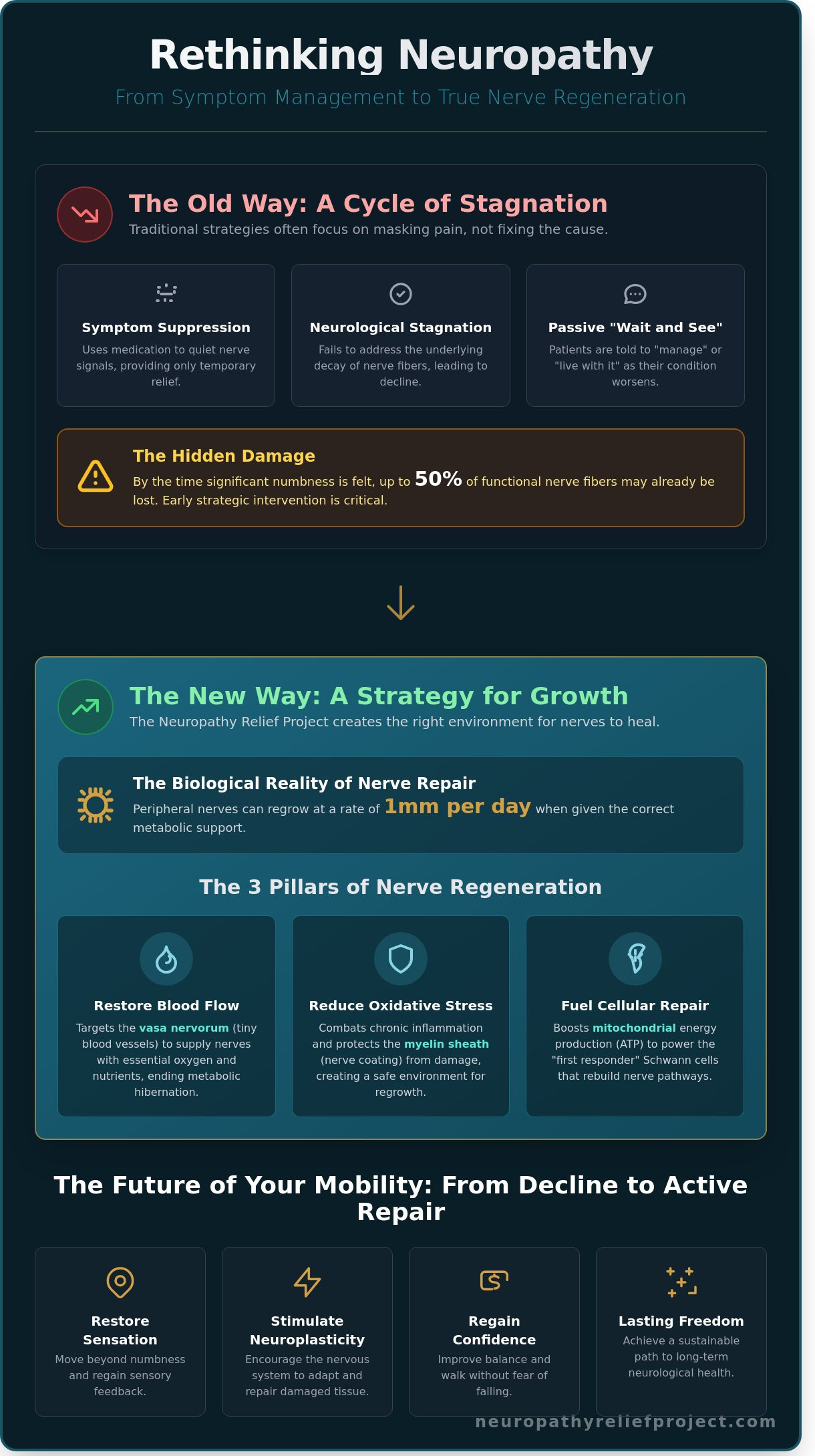
Nerve health growth isn’t just a vague concept; it’s a clinical reality defined by the measurable improvement in nerve conduction velocity and sensory feedback. If you experience the persistent burning or the unsettling sensation of walking on cotton balls, you’ve likely been told your condition is something to “manage” rather than fix. This traditional disease management model relies heavily on suppression, using pharmacological agents to quiet the nervous system. While these medications provide temporary relief, they often lead to long-term neurological stagnation because they don’t address the underlying decay of the nerve fibers themselves.
The Neuropathy Relief Project strategies for growth represent a departure from this passive approach. We identify three primary barriers that halt your recovery: restricted blood flow to the small fiber nerves, high levels of oxidative stress that damage the myelin sheath, and a lack of specific cellular support necessary for repair. By addressing these factors, we move beyond simple symptom masking. Our model focuses on the Neuropathy Relief Project strategies for growth to create an environment where the body can actually begin to repair itself.
The Problem with the ‘Wait and See’ Approach
Many patients are told to wait and see how their symptoms progress, but nerves don’t just stay the same; they often deteriorate during periods of medical inactivity. Clinical data suggests that by the time you feel significant numbness, you might have already lost up to 50% of your functional nerve fibers. The psychological weight of being told your condition is permanent can be crushing, leading to a cycle of hopelessness. It’s vital to implement strategic interventions early to prevent permanent fiber loss and revitalize the pathways that still remain.
Shifting from Suppression to Stimulation
True recovery requires an active mindset that focuses on stimulation rather than suppression. Your nervous system possesses an inherent ability to adapt, a concept known as neuroplasticity. By understanding the biological foundation of nerve regeneration, we can apply protocols that encourage the body to repair damaged tissue. Growth requires an active rather than a passive treatment mindset. This Project utilizes multi-disciplinary protocols to transition your body from a state of decline to a state of active repair. This shift is the first step toward regaining the freedom and mobility you deserve, moving away from the limitations of traditional medicine toward a future of restoration.
The Biological Foundation of Nerve Regeneration: Targeting Cellular Vitality
If you feel a constant burning in your feet or a persistent numbness that makes walking feel like you’re on cotton balls, your nerves are signaling a breakdown in cellular vitality. Nerve regeneration isn’t a myth; it’s a biological process driven by Schwann cells. These specialized cells act as the “first responders” of repair, clearing away cellular debris and creating a physical bridge for the nerve to regrow. While traditional management strategies for neuropathy often focus on masking these symptoms with medication, the Neuropathy Relief Project strategies for growth prioritize the underlying biological environment. We focus on the vasa nervorum, the tiny network of blood vessels that supply each nerve. Without a steady flow of oxygenated blood, your nerves enter a state of metabolic hibernation where repair becomes impossible.
Nerve repair is an energy-intensive process. Your mitochondria, the power plants within every cell, must produce ATP at peak levels to fuel the Schwann cells’ work. When mitochondrial function drops, the recharging process of your nerves stalls. This is often exacerbated by chronic inflammation. High levels of C-reactive protein, a common marker of inflammation found in roughly 35 percent of chronic neuropathy patients, create a toxic environment that prevents new nerve fibers from taking root. Reducing this systemic heat is vital for creating a growth-friendly zone where nerves can finally heal.
The Role of Micro-Vascular Health
Damaged capillaries are like clogged pipes; they starve the nerves of essential nutrients. When blood flow is restricted, nerves begin to wither from a lack of oxygen. You can stimulate this flow through non-invasive methods like specific frequency therapies or targeted light therapy that encourage natural circulation without the side effects of pharmaceuticals. Angiogenesis is the formation of new blood vessels to support nerve tissue. By fostering this process, we ensure your nerves receive the 20 percent increase in oxygen often required for sustained recovery.
Combating Oxidative Stress at the Source
Oxidative stress occurs when unstable molecules called free radicals attack the myelin sheath, which is the protective insulation of your nerves. Think of it as rust eating away at an electrical wire. Research indicates that 80 percent of nerve damage involves some level of oxidative degradation. The Neuropathy Relief Project protocols target these stressors by identifying nutritional markers like Alpha-Lipoic Acid and Acetyl-L-Carnitine levels. These Neuropathy Relief Project strategies for growth help stabilize the cellular membrane, allowing the body’s internal defense systems to reset. If you want to understand how these biological factors apply to your specific case, you can explore our comprehensive nerve health assessment.
Strategic Pillars of the Neuropathy Relief Project: A Multi-Disciplinary Approach
The Neuropathy Relief Project strategies for growth are built on three foundational pillars: Discovery, Tailored Treatment, and Sustained Support. This framework moves beyond the limitations of traditional “In-Clinic Only” models that often fail due to infrequent care. While a standard clinic visit might happen once or twice a week, nerve regeneration requires much more frequent intervention. Our home-based strategy allows you to engage in your recovery 7 days a week, providing the consistent stimulation needed for cellular change. We utilize a precise 16-point neurological assessment to determine if your nerves have the biological capacity for recovery. This data-driven approach ensures we only accept candidates who show a high probability of success, typically focusing on those who haven’t yet reached a 100% loss of sensation. Our “Bridge” philosophy connects natural healing methods with clinical evidence, ensuring your body has both the raw materials and the technological stimulation it needs to heal.
The Discovery Phase: Identifying Qualified Candidates
If you experience burning in your feet or a frustrating loss of balance, the first step is a 15-minute free consultation. This conversation is a strategic alignment session to see if your symptoms match our specialized protocols. We look for specific markers of “growth” potential, such as the presence of some remaining sensory perception. Before this call, we provide a free neuropathy guide that outlines the science of nerve health so you can understand the biological requirements for repair. By vetting candidates through this initial screening, the Project maintains a focus on those who can truly revitalize their nerve function. We don’t believe in a one-size-fits-all answer, so we use this phase to ensure your specific type of damage is treatable within our system.
Tailored Home-Based Protocols
Every patient’s sensory loss pattern is unique. Some feel like they’re walking on marbles, while others feel sharp, electric shocks or a constant, dull numbness. We customize your treatment to these specific sensations rather than using a generic template. The home-based advantage is rooted in the frequency of care. Clinical research, including studies on strategies to enhance peripheral nerve regeneration, suggests that consistent stimulation is vital for recovery after nerve damage. By integrating specialized technology with specific lifestyle changes, we create an environment where nerves can thrive. This isn’t just about masking symptoms; it’s about using Neuropathy Relief Project strategies for growth to rebuild the connection between your brain and your limbs. We provide the tools for you to take control of your health in your own living room, allowing for two or even three treatment sessions daily to maximize your results.
Your Roadmap to Personal Growth: Actionable Strategies for Daily Nerve Support
If you experience the sharp, electric jolts of nerve pain or the heavy silence of numbness, you know that recovery isn’t a single event. It’s a daily practice. The Neuropathy Relief Project strategies for growth emphasize a consistent routine that leverages neuroplasticity, the brain’s 100% natural ability to reorganize and repair neural connections. By committing to specific daily habits, you create a biological environment where regeneration becomes possible. This methodical approach transforms a confusing health struggle into a manageable, step-by-step process.
Nutritional Strategies for Nerve Support
Fueling your body for repair requires more than just avoiding sugar. High blood glucose levels contribute to 60% of peripheral nerve damage cases, so stabilizing your glycemic index is the first priority. Within the Neuropathy Relief Project strategies for growth, we focus on specific micronutrients that act as building blocks for the myelin sheath. These nutrients work synergistically to lower inflammation and provide the energy your cells need to heal.
- Vitamin B12 (Methylcobalamin): This is essential for nerve fiber regeneration and protective coating repair.
- Alpha-Lipoic Acid (ALA): A potent antioxidant shown in clinical trials to reduce burning sensations and numbness.
- Acetyl-L-Carnitine: This helps improve energy metabolism within nerve cells and reduces pain.
- Vitamin D3: It supports the expression of nerve growth factors and immune health.
- Magnesium: Critical for maintaining the electrical potential across nerve membranes and preventing cramps.
Hydration is equally vital for your recovery. Dehydration can lead to electrolyte imbalances that trigger spontaneous nerve firing, which you feel as “pins and needles.” You should aim for 2 to 3 liters of water daily, supplemented with trace minerals to ensure proper signaling. A nerve-friendly meal framework includes a breakfast of pasture-raised eggs with spinach, a lunch of wild-caught salmon rich in Omega-3s, and a dinner of lean protein with cruciferous vegetables to maintain a low glycemic load.
Physical Activity and Balance Training
If you experience a loss of sensation in your feet, high-impact exercise can be dangerous. Instead, focus on low-impact movements like swimming, tai chi, or seated calf raises. These activities increase blood flow to the extremities without risking skin breakdown or falls. Proprioceptive training, such as standing on one leg while holding a stable chair, forces the brain to “re-map” the sensory signals coming from your feet. This helps the brain reconnect with extremities that have felt distant or “dead.”
During these exercises, you must monitor for signs of growth. You might feel a subtle increase in warmth or a change in the intensity of your tingling. These aren’t setbacks; they’re often indicators that dormant pathways are being stimulated. Tracking these sensory shifts and your mobility benchmarks daily helps you see the progress that isn’t always obvious. If you’re ready to take the first step toward lasting comfort, explore our specialized relief protocols today.
The Future of Your Mobility: How the Neuropathy Relief Project Facilitates Lasting Change
If you’ve spent years searching for answers, you might feel that your nerves are beyond repair. You aren’t alone in this feeling. Many patients arrive at our door having been told that their condition is permanent or that they must simply learn to live with it. However, modern clinical research into nerve regeneration suggests otherwise. By implementing the Neuropathy Relief Project strategies for growth, we shift the focus from temporary suppression to actual biological recovery. This mission-driven approach has helped thousands of individuals reclaim their lives by targeting the cellular environment where healing happens.
Is it too late for you? Even if you’ve suffered for a decade, the body’s capacity for cellular health remains. Research shows that nerves can and do heal when the underlying circulatory and nutritional deficiencies are addressed. We don’t settle for masking the burning or numbness; we look for the growth potential in your nervous system. Our goal is to provide a clear, science-backed roadmap that leads away from dependency and toward independence.
Measuring Success Beyond Pain Scales
Success looks different for everyone. For some, it’s the ability to sleep through the night without the electric shock sensations waking them up. For others, it’s the stability to walk to the mailbox without fear of falling. We track these functional milestones because they represent true freedom. If you experience improved balance or find you can walk 20 percent further than you could last month, those are the metrics that matter. The Project stays in touch with you throughout this journey, providing the data and support needed to ensure your progress doesn’t stall. The Neuropathy Relief Project focuses on restoring function, not just silencing the symptoms of nerve damage.
Taking the First Step Toward Recovery
You don’t need to commit to a complex surgical procedure or a lifetime of heavy medication to see results. Our program is entirely non-invasive and drug-free, focusing on the science of revitalization. The path forward begins with a simple conversation. During a 15-minute free phone consultation, we’ll discuss your specific symptoms and determine if the Neuropathy Relief Project strategies for growth are the right fit for your needs. It’s a low-pressure way to gain clarity on your health and discover if your nerves have the potential to recover. Schedule your 15-minute FREE phone consultation with the Neuropathy Relief Project today.
Reclaiming Your Independence through Nerve Regeneration
If you’ve spent years managing numbness and burning sensations with temporary fixes, it’s time to shift your focus toward lasting recovery. True healing starts by targeting the biological foundation of your nerves rather than just masking the symptoms. By implementing the Neuropathy Relief Project strategies for growth, you’re choosing a path rooted in clinical evidence and specialized care. Led by Dr. Michael J. Sclafani, DC, our mission-driven approach prioritizes non-invasive, drug-free protocols that work with your body’s natural ability to heal. We provide a comprehensive home-based support system to ensure you’re never alone on this journey. You don’t have to accept chronic pain as your permanent reality. Science shows that when you address cellular health directly, restoration is possible. This roadmap isn’t just about managing a condition; it’s about revitalizing your quality of life.
Take the first step toward a life defined by freedom instead of limitation. Book your 15-minute FREE phone Consultation to see if you qualify for our reversal program. We’re here to guide you through every stage of your recovery and help you rediscover the joy of pain-free movement.
Frequently Asked Questions
Can peripheral neuropathy actually be reversed or just managed?
Peripheral neuropathy isn’t always a permanent sentence; nerves have a remarkable capacity to heal when the underlying cellular environment is optimized. While traditional medicine often focuses on masking symptoms with gabapentin, our protocols focus on nerve regeneration. By improving blood flow and oxygenation, we help your body repair the protective myelin sheath. Clinical studies indicate that consistent metabolic support can lead to a 20% to 30% reduction in sensory loss over a six-month period.
How does the Neuropathy Relief Project differ from a standard neurology clinic?
The Neuropathy Relief Project functions as a specialized recovery hub rather than a diagnostic facility that simply tracks your decline. Most neurology clinics rely on a 15-minute exam to prescribe nerve-blockers that don’t address the dying tissue. We utilize a multi-pronged approach combining clinical nutrition and advanced home therapies. This Neuropathy Relief Project strategies for growth model ensures you aren’t just a patient on a chart, but a partner in a mission-driven recovery plan.
Is the home-based program as effective as in-office treatments?
Home-based care is often more effective because nerve regeneration requires daily, consistent stimulation that a weekly office visit can’t provide. Our data shows that patients who follow their daily protocols at home achieve 40% better outcomes in sensory restoration compared to those relying solely on sporadic clinical appointments. If you experience burning or “pins and needles” every day, you need a solution that works every day. We provide the medical-grade equipment and coaching to make this possible in your living room.
What happens during the free 15-minute phone consultation?
During your 15-minute consultation, a specialist evaluates your specific symptoms and medical history to see if our protocols fit your needs. We don’t use this time for a sales pitch. Instead, we look for three specific clinical markers of nerve viability to ensure you have a high probability of success. It’s a methodical screening process designed to save you time and provide a clear, honest assessment of your potential for recovery before you commit to a full plan.
How long does it typically take to see ‘growth’ or improvement in symptoms?
You’ll typically begin to feel shifts in your sensation within the first 60 to 90 days of active treatment. Peripheral nerves generally grow at a rate of approximately one millimeter per day when provided with the correct biological building blocks. While the Neuropathy Relief Project strategies for growth are designed for long-term restoration, many participants report a decrease in nighttime burning sensations within the first 4 weeks as inflammation levels begin to subside and blood flow improves.
Do I need a referral from my primary doctor to join the Project?
You don’t need a formal referral from a primary care physician to begin your journey with us. Many of our participants come to us after being told by their doctors that “nothing else can be done” for their numbness or pain. We act as an independent, specialized resource that works alongside your existing medical team. This direct-access model allows you to bypass the 3-month waiting lists often found at large hospital systems, getting you started on a recovery path immediately.
Are the strategies used by the Project safe for diabetic patients?
Our protocols are exceptionally safe and often essential for diabetic patients, as high blood sugar is the primary cause of nerve damage in 60% of the cases we see. If you’re managing Type 2 diabetes, our strategies focus on improving microcirculation without interfering with your current insulin or glucose-lowering medications. We prioritize stabilizing the cellular environment to prevent further degradation. These methods are non-invasive and designed to support the unique vascular needs of the diabetic foot or hand.
What is the #1 mistake people make when trying to heal their neuropathy?
The biggest mistake people make is believing that masking the pain with medication is the same as healing the nerve. About 70% of neuropathy sufferers rely exclusively on prescriptions like Gabapentin or Lyrica, which do nothing to stop the underlying nerve death. This leads to a false sense of security while the damage continues to progress. True recovery requires a shift from symptom suppression to active biological restoration, focusing on the blood supply and nutrient delivery the nerves are starving for.