

What if the migratory electric shocks and burning sensations you feel aren’t just “stress,” despite what a normal EMG might suggest? For many of the 476,000 Americans diagnosed with Lyme annually, the connection between lyme disease and neuropathy symptoms remains a frustrating mystery that traditional diagnostics often fail to capture. You know the exhaustion of being told your nerves look healthy on paper while your body tells a different story of shifting, unpredictable pain. It’s common to feel dismissed when practitioners only look for diabetic markers, ignoring the 10% to 15% of untreated Lyme cases that progress into complex neurological challenges.
We understand that your suffering is real and that standard testing often misses the immune-mediated nature of this condition. You deserve to understand why your pain moves and how you can finally move toward lasting relief. This guide explores the latest 2026 clinical breakthroughs in diagnostic testing and outlines a collaborative effort to restore your neurological health through evidence-based, non-drug protocols that focus on restoration. Your journey toward a life without constant nerve pain is possible, and it begins with understanding the science behind your physical sensations.
Key Takeaways
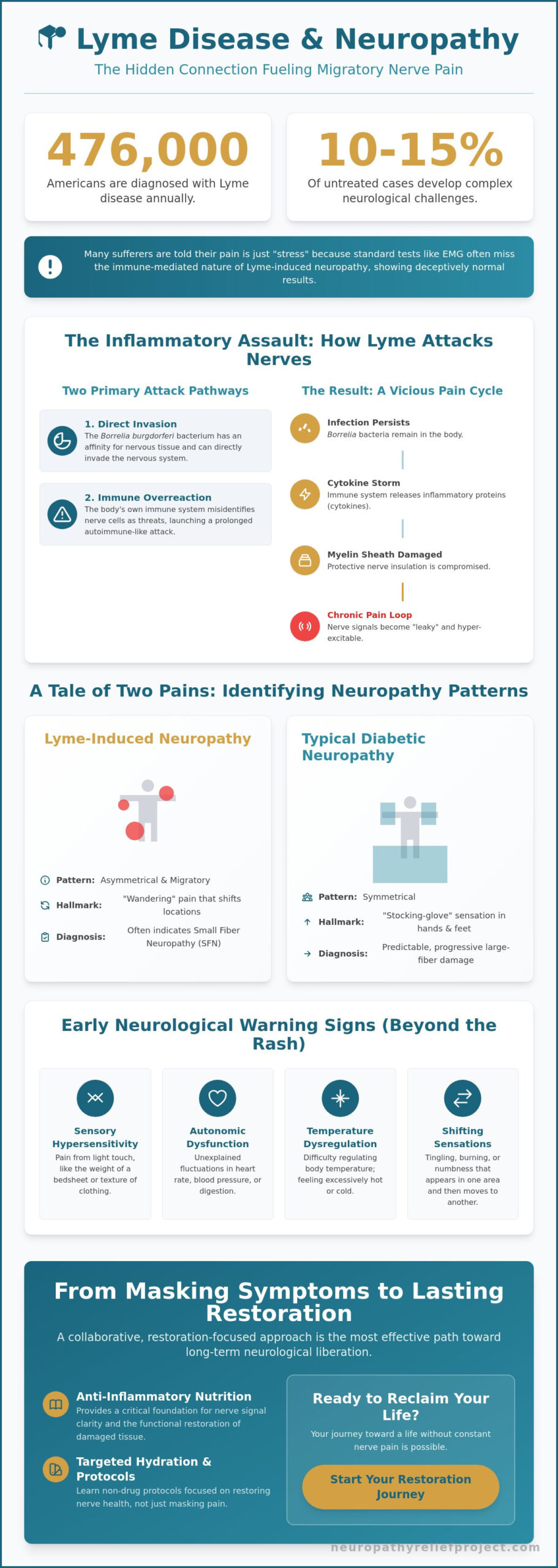
- Understand how the Borrelia burgdorferi bacteria triggers an inflammatory response that can directly invade nervous tissue or cause a complex autoimmune-like reaction.
- Discover why lyme disease and neuropathy symptoms often manifest as “wandering” pain that shifts locations, a hallmark of Small Fiber Neuropathy (SFN).
- Identify the key differences between the asymmetrical pain patterns of Lyme and the symmetrical “stocking-glove” sensations typical of diabetic nerve damage.
- Explore how anti-inflammatory nutrition and targeted hydration provide a foundation for nerve signal clarity and the functional restoration of damaged tissue.
- Learn why shifting from symptom masking to a collaborative, restoration-focused approach is the most effective path toward long-term neurological liberation.
Understanding the Link: How Lyme Disease Triggers Neuropathy Symptoms
When you experience the sudden onset of electric shocks or a persistent burning in your limbs, your mind naturally searches for a cause. Your suffering isn’t imaginary. While many practitioners first investigate metabolic issues like diabetes, the connection between Lyme disease and neurological distress is a critical area of focus in 2026. Lyme-induced peripheral neuropathy is essentially an aggressive inflammatory response to the bacterium Borrelia burgdorferi. This pathogen doesn’t just pass through the bloodstream; it has a unique affinity for connective and nervous tissues.
The bacteria can directly invade the nervous system, but the most profound damage often stems from your body’s own defense mechanisms. If the infection isn’t cleared quickly, the immune system may begin to misidentify nerve cells as threats, launching an autoimmune-like attack. This biological complexity is why identifying lyme disease and neuropathy symptoms can be so difficult. Symptoms don’t always appear during the initial infection phase. Instead, they can surface months or even years after the initial tick bite, making it vital to understand the wider causes of peripheral neuropathy that can complicate your path to recovery.
The Inflammatory Cascade
During a persistent infection, your immune system releases proteins called cytokines. These proteins are meant to fight the bacteria, but in high concentrations, they can damage the myelin sheath, which is the protective insulation around your nerves. When this insulation is compromised, nerve signals become “leaky” or hyper-excitable, creating a persistent pain loop in the peripheral nerves. It’s a common misconception that completing a standard course of antibiotics automatically stops this process. Even after the bacteria are gone, the “post-treatment” inflammatory cascade can continue to irritate nerves, leaving you with lingering discomfort that requires a dedicated restoration strategy.
Early Warning Signs of Lyme-Related Nerve Issues
Not everyone with Lyme disease remembers a classic bulls-eye rash. In fact, many people experience a neurological-first presentation. You might notice a sudden sensory hypersensitivity where the weight of a bedsheet or the texture of your clothing feels physically painful. Other signs include autonomic involvement, such as unexplained heart rate fluctuations or an inability to regulate your body temperature. If you find yourself struggling with these shifting sensations, it’s a signal that your nervous system is under significant duress. Addressing these lyme disease and neuropathy symptoms requires a more specialized, collaborative approach to healing rather than just masking the pain.
The “Moving” Nerve Pain: Identifying Unique Lyme Neuropathy Patterns
One of the most disorienting aspects of lyme disease and neuropathy symptoms is their unpredictable, migratory nature. You might wake up with an intense burning sensation in your left foot, only to find that by the afternoon, the discomfort has vanished there and reappeared as a sharp tingling in your right hand. This “wandering” pain is a clinical hallmark of Lyme. Unlike other forms of nerve damage that stay localized, the inflammation caused by Borrelia can shift as the immune system reacts to the bacteria’s presence in different tissues. If you’ve felt like you’re chasing your symptoms across your body, you aren’t alone; this pattern is a physical manifestation of an active, systemic struggle.
This migratory distress often points toward Small Fiber Neuropathy (SFN). While many people associate nerve damage with muscle weakness, SFN specifically targets the tiny nerve endings in your skin that communicate pain and temperature. Because these fibers are so small, they’re often the first to be damaged by the inflammatory “cytokine storm” discussed earlier. The National Institute of Neurological Disorders and Stroke notes that Lyme disease neuropathy can manifest as these specific sensory changes, which frequently evade detection during a standard physical exam. You might feel “ice-cold” or “scalding” sensations in your limbs even when your skin is room temperature to the touch.
It’s deeply frustrating to be told your condition is “idiopathic” or of unknown origin. In many cases, these idiopathic neuropathy causes are actually rooted in an undiagnosed or persistent infection. When traditional systems fail to provide a name for your suffering, it’s easy to feel dismissed. To explore how these patterns apply to your specific health journey, you can speak with a specialist about your symptoms and potential paths toward restoration.
Why Standard Tests Fail Lyme Patients
If your Electromyogram (EMG) or Nerve Conduction Velocity (NCV) test came back “normal” despite your clear physical suffering, there’s a biological reason. These standard tests are designed to measure large-diameter, myelinated nerve fibers. They simply aren’t sensitive enough to detect damage to the small fibers typically affected by lyme disease and neuropathy symptoms. You should feel empowered to advocate for more specialized diagnostics, such as a skin punch biopsy to check for small fiber density, or a detailed clinical symptom map that documents the migratory nature of your pain. Don’t let a negative EMG convince you that your pain isn’t real.
Common Sensory Sensations in Lyme Neuropathy
Lyme-related nerve damage often produces sensations that feel “internal” rather than just on the skin’s surface. You might experience:
- A deep “vibrating” or “buzzing” feeling inside your calves or forearms, as if a cell phone is ringing under your skin.
- Sudden, electric shock-like pains that “zip” through a joint or limb and disappear within seconds.
- Extreme temperature sensitivity, where cool water feels like dry ice or a warm shower feels like it’s burning your skin.
These symptoms are clear indicators that your pain fibers are misfiring. Recognizing these patterns is the first step toward a collaborative restoration plan that targets the root cause rather than just the sensation.
Lyme Neuropathy vs. Other Nerve Damage: Key Differentiators
If you’ve been told your nerve pain is “typical,” you might find that your lived experience doesn’t match the standard clinical descriptions. Most medical training focuses on diabetic neuropathy, which generally presents in a symmetrical “stocking-glove” pattern. This means the sensations start at the tips of the toes and move up the legs at an even pace on both sides. In contrast, lyme disease and neuropathy symptoms are famously erratic. You might feel a sharp, stabbing pain in your right shoulder while your left foot feels completely normal. This asymmetrical distribution is a major clue that your nerves are reacting to an inflammatory or infectious trigger rather than a metabolic one.
A primary way to distinguish between these conditions is the presence of “flares.” While some causes of peripheral neuropathy lead to a steady, fixed decline in nerve function, Lyme symptoms tend to wax and wane. You might have three days of relative peace followed by a week of intense burning and electric shocks. This cyclical nature often correlates with the life cycle of the bacteria or the fluctuating state of your immune system. Understanding these distinctions is a vital part of our collaborative effort to ensure you aren’t misdiagnosed with a condition that doesn’t fit your symptoms.
Symmetry vs. Random Distribution
Diabetic neuropathy follows a predictable, length-dependent path because it’s caused by consistent high blood sugar damaging the longest nerves first. Lyme doesn’t play by these rules. It can strike a single nerve (mononeuropathy) or multiple scattered nerves simultaneously. You might experience numbness in a specific patch of skin on your thigh or a sudden weakness in one hand. This random distribution often mirrors the “migratory” nature of the infection as it moves across different body systems, making lyme disease and neuropathy symptoms much harder to track with standard diagnostic tools.
Systemic Clues That Point to Lyme
Nerve pain rarely travels alone when Lyme is the culprit. You should look for systemic markers that suggest a multi-system involvement. Many patients report “Lyme Fog,” a type of cognitive fatigue where their thinking feels sluggish or “cloudy” during a nerve pain flare-up. You may also notice joint pain that shifts from your knee to your wrist without any physical injury to explain it. When these sensations are paired with chronic fatigue that doesn’t improve with rest, the evidence points strongly toward a systemic inflammatory cause rather than isolated nerve damage. Recognizing these overlapping signals is the first step toward true liberation from chronic pain.
Navigating Your Recovery: Essential Steps for Managing Lyme-Induced Nerve Pain
Recovery from lyme disease and neuropathy symptoms isn’t just about clearing an infection; it’s about creating a biological environment where your nerves can finally heal. If your body remains in a state of high inflammation, your nerves will likely stay hyper-sensitive regardless of your antibiotic status. Calming the nervous system requires a multi-faceted approach that prioritizes anti-inflammatory nutrition. By focusing on whole, unprocessed foods and eliminating common triggers like refined sugars, you can reduce the systemic “noise” that keeps your pain fibers on high alert. Signal clarity also depends heavily on hydration. Maintaining a precise balance of electrolytes ensures that the electrical impulses traveling through your nerves don’t misfire, which can help reduce those unpredictable zapping sensations.
When you’re living with peripheral neuropathy, movement often feels like the enemy. However, gentle, non-impact mobility is crucial for preventing the stagnation that worsens nerve pain. High stress levels can also trigger a “fight or flight” response, which causes vasoconstriction and limits the resources available for nerve repair. To explore how these management strategies can be tailored to your unique situation, you may find it helpful to request a 15 minute free phone consultation to discuss your specific goals.
The Role of Micro-Circulation
Blood flow is the primary delivery system for nerve repair. For the myelin sheath to undergo restoration, it needs a steady supply of oxygen and nutrients delivered through microscopic capillaries. When circulation is sluggish, these small nerve fibers remain starved and damaged. You can stimulate this micro-circulation through gentle activities like warm water therapy or specialized stretching. These methods help open up the vascular pathways without overtaxing your energy reserves, allowing your body to focus its resources on structural healing rather than just managing the next flare-up.
Daily Habits for Nerve Calm
Managing lyme disease and neuropathy symptoms often feels most difficult at night when the burning sensations tend to intensify. Establishing a strict sleep hygiene routine can help lower your core body temperature and soothe the “fire” in your limbs. Some people find relief using cool compresses on “hot” areas, while others prefer the gentle warmth of a heating pad to relax tight muscles. It’s also vital to scan your environment for “nerve triggers,” such as processed food additives or common household toxins, which can inadvertently spike inflammation. Small, consistent changes in your daily routine can lead to significant liberation from the constant cycle of pain.
Beyond Temporary Relief: The Path to Nerve Tissue Restoration
If you’ve spent years masking your pain with medications, you’ve likely noticed that the relief is often temporary and comes with a heavy fog of side effects. Most standard treatments focus on dulling the brain’s perception of pain signals rather than addressing why those signals are misfiring in the first place. For someone struggling with lyme disease and neuropathy symptoms, this approach is particularly frustrating because it ignores the active inflammatory environment that continues to degrade nerve tissue. True liberation requires moving beyond the management of sensations and toward the functional restoration of the nerve fibers themselves. This involves shifting from a reactive mindset to a proactive, evidence-based strategy that supports the body’s natural healing mechanisms.
Our philosophy at the Neuropathy Relief Project is built on the belief that your body possesses a remarkable capacity for healing when provided with the correct biological support. We view the journey toward health as a collaborative effort between the patient and the specialist. By utilizing non-invasive protocols designed to improve micro-circulation and support the health of the myelin sheath, we aim to help you transition from a state of constant flare-ups to a state of lasting neurological stability. This specialized focus is critical for Lyme patients. Their nerves have often been subjected to unique infectious stressors and immune-mediated attacks that require a nuanced, expert-led approach rather than a one-size-fits-all prescription.
A Collaborative Path to Healing
Lyme recovery is rarely a straight line, and a personalized review of your health history is essential for success. Because lyme disease and neuropathy symptoms can be influenced by co-infections, previous antibiotic use, and systemic inflammation, your path to restoration must be as unique as your symptom profile. We focus on moving you away from the cycle of “management” where you simply hope for a better day. Instead, we work toward a state of restoration where the underlying nerve tissue is supported and the inflammatory triggers are calmed. Having a guide who understands the specific ways tick-borne illnesses affect the peripheral nervous system can be the difference between feeling lost and finding a clear way forward.
Your 15-Minute Discovery Call
Taking the first step toward neurological health can feel overwhelming, especially if you’ve felt dismissed by the medical system in the past. We offer a 15 minute free phone consultation to provide a safe space where your experience is validated and your questions are answered. During this call, we’ll discuss the patterns of your nerve pain and how our specialized protocols might align with your needs. To get the most value from this conversation, it’s helpful to prepare a brief history of your sensations, including any migratory patterns or specific triggers you’ve noticed. This is your opportunity to explore a non-drug path toward restoration and reclaim the quality of life you deserve.
Schedule your 15-minute FREE phone Consultation today
Your Path Toward Neurological Liberation
Identifying the specific connection between lyme disease and neuropathy symptoms is a vital turning point in your recovery journey. You now understand that your migratory pain and negative test results are common markers of small fiber damage rather than signs of an unknown or imaginary condition. By shifting your focus from temporary symptom masking to functional nerve restoration, you’re choosing a strategy that prioritizes long-term health and stability. This transition requires a dedicated, collaborative effort to address the underlying inflammatory triggers that keep your nervous system in a state of alarm.
Led by Dr. Michael J. Sclafani, a specialist in non-invasive nerve protocols, our team provides an empathetic, patient-centered environment where your physical sensations are truly understood. We’re dedicated to a drug-free approach that supports the structural healing of your nervous system. If you’re ready to stop chasing symptoms and start a structured restoration plan, we invite you to take the next step in your health journey.
Schedule your 15-minute FREE phone Consultation to discuss your Lyme-related nerve pain today. You aren’t alone in this struggle, and a clear path toward improvement is within your reach. We’re here to help you reclaim the quality of life you deserve.
Frequently Asked Questions
Can Lyme disease cause permanent neuropathy?
Nerve damage from Lyme disease is often reversible if the underlying inflammatory environment is corrected. While severe cases can lead to structural loss, many patients find that what was labeled as “permanent” damage is actually persistent inflammation. By focusing on the functional restoration of nerve tissue rather than just symptom management, it is possible to see significant improvement in nerve health even years after the initial infection.
Why does my Lyme neuropathy pain move from one limb to another?
Migratory pain is a hallmark of the body’s immune response to the Borrelia bacteria. Unlike other forms of nerve damage that remain fixed in one location, Lyme-related inflammation can shift as the immune system reacts to the bacteria in different tissues. This dynamic process explains why you might feel burning in your feet one day and tingling in your hands the next, reflecting a systemic struggle rather than a localized injury.
Is it possible to have Lyme neuropathy even if my initial tests were negative?
Yes, you can certainly experience lyme disease and neuropathy symptoms despite having a negative blood test. Standard two-tier testing frequently misses early-stage infections or specific bacterial strains. Clinical diagnosis, which accounts for your specific symptoms, history of tick exposure, and the unique “wandering” nature of your pain, is often a more reliable indicator of the disease than current laboratory methods.
How long does it take for nerve pain to improve after Lyme treatment?
Nerve tissue heals at a methodical pace, often taking months to show significant improvement after the infection is cleared. While antibiotics address the bacteria, they don’t automatically repair the damaged myelin sheath. A dedicated restoration protocol that focuses on micro-circulation and anti-inflammatory support is usually necessary to accelerate the healing process and provide lasting relief from lingering post-treatment pain.
What is the difference between Lyme neuropathy and Small Fiber Neuropathy?
Small Fiber Neuropathy (SFN) describes a specific pattern of damage to the tiny nerve endings in the skin, while Lyme is the infectious trigger. In this context, SFN is the “what” and Lyme is the “why.” Because Lyme bacteria often target these delicate fibers first, many patients experience the classic SFN symptoms of burning and temperature sensitivity as their primary neurological manifestation of the disease.
Can a drug-free approach really help with chronic nerve pain from Lyme?
A drug-free approach is often more effective for long-term recovery because it focuses on restoration rather than masking sensations. By utilizing non-invasive protocols to improve blood flow and providing the nervous system with the specific nutrients it needs to repair itself, you can address the root cause of your pain. This collaborative effort helps the nerves return to a state of signal clarity without the side effects of heavy medications.
Why does my nerve pain flare up when I am stressed or tired?
Stress and exhaustion trigger a physiological “fight or flight” response that increases the production of inflammatory cytokines. These proteins directly irritate already sensitive nerve fibers, causing your lyme disease and neuropathy symptoms to intensify. When your body is tired, its natural ability to regulate pain signals and manage inflammation is diminished, which makes the burning or buzzing sensations feel much more aggressive.
What should I ask my doctor if I suspect my neuropathy is related to Lyme?
Ask your doctor for a clinical evaluation that goes beyond a standard EMG, which often misses small fiber damage. You should specifically request to discuss the migratory nature of your pain and inquire about more sensitive diagnostic options, such as a skin punch biopsy or newer tests that detect bacterial peptidoglycan. It is important to find a practitioner who validates your experience and looks for the infectious roots of your neurological distress.