

What if the most effective tool for repairing your peripheral nerves isn’t found in a prescription bottle, but inside your kitchen pantry? If you experience the relentless burning of “pins and needles” every night, you’ve likely felt the frustration of medications that only mask symptoms while causing fatigue or brain fog. It’s exhausting to live with the fear that your nerve damage is an irreversible sentence. At the Neuropathy Relief Project, we understand that proper nutrition for nerve health is the foundation of cellular restoration. A 2021 study published in the Journal of Clinical Medicine demonstrated that targeted nutrient interventions can reduce neuropathic pain scores by as much as 30%.
You deserve a recovery plan that addresses the biological “why” behind your discomfort. This guide provides a clear list of essential vitamins, minerals, and anti-inflammatory foods designed to support nerve regeneration and provide lasting relief from neuropathy symptoms. We’ll walk you through the science of fueling your nervous system so you can reclaim your mobility and finally enjoy a full night of restorative sleep.
Key Takeaways
- If you experience persistent tingling or burning, learn how targeted nutrients provide the essential building blocks to resolve the “energy crisis” within damaged nerve tissues.
- Discover the specific roles of the “Big Three” B-vitamins and Vitamin D3 in stimulating nerve growth factor to accelerate your path toward natural regeneration.
- Master the science of nutrition for nerve health by identifying specialized compounds like Alpha-Lipoic Acid that improve micro-circulation and quench the inflammatory “fire.”
- Identify the nutrient-dense “Power Foods” that revitalize cellular health and learn which common dietary “saboteurs” may be hindering your recovery.
- Understand why optimizing your gut health is a crucial step in ensuring your body effectively absorbs the fuel needed for lasting relief and restoration.
Why Nutrition for Nerve Health is the Foundation of Recovery
If you experience the persistent burning or the unsettling “pins and needles” of neuropathy, you know that relief often feels out of reach. At the Neuropathy Relief Project, we view your recovery as a biological construction project. Your body cannot repair damaged pathways without the literal building blocks provided by targeted nutrition. While general wellness is important, nutrition for nerve health requires a specialized focus on the unique demands of the nervous system.
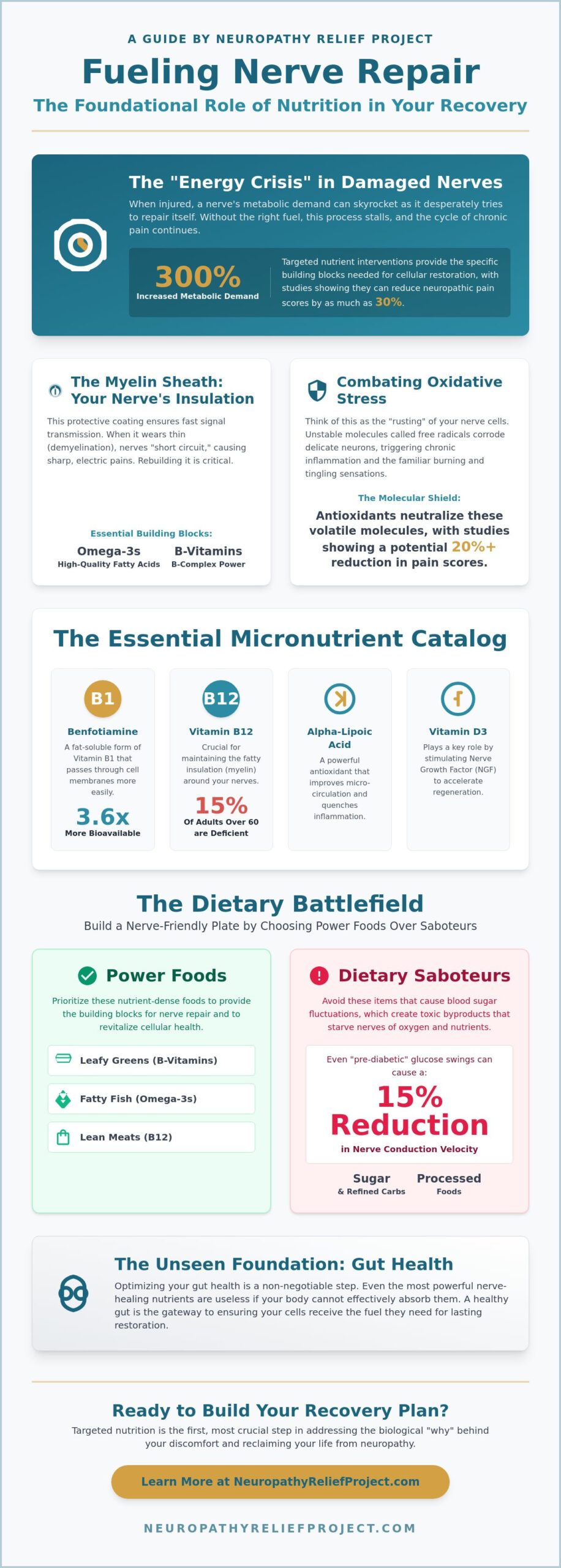
Damaged nerves often enter what specialists call an “Energy Crisis.” When a nerve is injured, its metabolic demand can increase by up to 300% as it attempts to repair cellular structures and maintain signaling. This means your body requires a significantly higher concentration of micronutrients than a healthy individual. Without these specific inputs, the repair process stalls, and the cycle of chronic pain continues. It’s not just about eating better; it’s about providing the specific fuel required to revitalize dormant cells.
Stabilizing your blood sugar is another non-negotiable pillar of protection. Clinical data suggests that even “pre-diabetic” glucose fluctuations can cause a 15% reduction in nerve conduction velocity. High blood sugar creates toxic byproducts that act like corrosive agents within your microvasculature, effectively starving nerves of oxygen and nutrients. By prioritizing nutrition for nerve health, you create a stable environment where regeneration becomes possible rather than just a hope.
- Nerve-specific nutrients focus on cellular membrane integrity.
- General nutrition often lacks the therapeutic doses needed for repair.
- Stable glucose levels prevent the formation of “nerve-stifling” toxins.
The Myelin Sheath: Your Nerves’ Essential Insulation
The myelin sheath is the protective coating that ensures fast signal transmission. If this insulation wears thin through a process called demyelination, your nerves “short circuit,” resulting in the sharp, electric pains common in peripheral neuropathy. Rebuilding this layer requires a precise combination of sphingolipids and specific proteins. You must provide your body with high-quality Omega-3 fatty acids and B-complex vitamins to ensure this insulation remains thick and functional, preventing the “leakage” of electrical signals that causes discomfort.
Combating Oxidative Stress in the Peripheral Nervous System
Think of oxidative stress as the “rusting” of your nerve cells. When free radicals outnumber your body’s natural defenses, they corrode the delicate membranes of your neurons. This cellular decay triggers chronic inflammation, which your brain interprets as the familiar sensations of burning and tingling. Antioxidants act as a molecular shield, neutralizing these volatile molecules before they cause permanent decay. A 2021 study published in the journal Nutrients demonstrated that specific antioxidant protocols could reduce neuropathic pain scores by over 20% by calming this internal inflammatory fire.
The Essential Micronutrient Catalog for Nerve Regeneration
If you experience a persistent buzzing or a loss of sensation in your extremities, your cellular engine might be running on empty. The right nutrition for nerve health acts as the primary fuel for the myelin sheath, which is the protective coating that allows signals to travel quickly between your brain and your limbs. When these micronutrients are missing, the communication lines begin to fray, leading to the debilitating symptoms of neuropathy.
The B-Vitamin Complex: The Powerhouse of Nerve Repair
B-vitamins are the “Big Three” of neurological recovery. B12 deficiency is a silent epidemic in nerve health clinics. A 2017 study published in the Journal of Neurological Sciences found that roughly 15% of adults over age 60 lack sufficient B12 levels, which directly leads to “unexplained” peripheral damage. Without B12, the body cannot maintain the fatty insulation around nerves, causing electrical signals to leak and misfire.
To bridge this gap, focus on Benfotiamine, a fat-soluble form of Vitamin B1. It is significantly more effective than standard thiamine because it passes through cell membranes more easily. Clinical research indicates that Benfotiamine is up to 3.6 times more bioavailable than its water-soluble counterparts, making it a critical tool for those seeking specialized nutrition for nerve health. However, you must be cautious with Vitamin B6. While it supports nerve health in small doses, clinical data shows that taking more than 100mg per day over an extended period can actually trigger sensory neuropathy, the very numbness you are trying to heal.
Vitamin D and Magnesium: The Silent Supporters
Vitamin D3 is more than a bone-builder; it is a neuro-steroid that regulates Nerve Growth Factor (NGF). Clinical data from a 2021 retrospective study suggests that 81% of patients with diabetic neuropathy exhibit Vitamin D3 levels below 30 ng/mL. Without sufficient D3, your nerves lose their biological blueprint for self-repair, leaving them in a state of permanent “hibernation.”
Magnesium serves a different but equally vital role by calming the NMDA receptors in your spinal cord. When these receptors are overactive, they “leak” pain signals, creating the sensation of phantom burning or nocturnal cramping. Incorporating 400mg of magnesium glycinate can help dampen these signals and improve sleep quality. For long-term maintenance, keep an eye on your mineral balance:
- Zinc and Copper: These two minerals must exist in a delicate 10:1 ratio.
- The Risk: If you supplement with high-dose Zinc (above 50mg) for more than 90 days without Copper, you risk inducing a copper deficiency that mimics the symptoms of B12-related nerve damage.
- Sources: While pumpkin seeds and oysters provide these naturally, chronic cases often require targeted, balanced supplementation to overcome absorption barriers.
If you’ve felt dismissed by standard treatments, understanding these biological requirements is your first step toward regaining control. By addressing these specific deficiencies, you provide your body with the raw materials it needs to move from a state of survival to a state of active recovery.
Macro-Nutrients and Specialized Compounds for Nerve Relief
If you experience the persistent sting of burning or the heavy weight of numbness, understanding the specific science of nutrition for nerve health can be your first step toward lasting relief. We focus on compounds that go beyond basic vitamins to target the cellular mechanics of recovery. At the Neuropathy Relief Project, we view these nutrients as the essential building blocks for revitalizing damaged tissues and restoring the freedom of movement you deserve.
Alpha-Lipoic Acid: The Universal Antioxidant
Most antioxidants are limited by where they can travel within the body, but Alpha-Lipoic Acid (ALA) is unique because it’s both water and fat-soluble. This allows it to penetrate every part of the nerve cell to neutralize damaging free radicals that contribute to peripheral neuropathy. Clinical research, such as the SYDNEY 2 trial involving 181 patients, demonstrated that daily ALA supplementation significantly reduced burning and tingling sensations over a five week period. ALA improves blood flow to the endoneurial capillaries. By restoring this micro-circulation, your nerves receive the oxygen and nutrients they need to begin the healing process.
The Power of Omega-3s and Healthy Fats
Chronic inflammation acts like a fire that keeps your nerves in a state of constant alarm. While common seed oils like soybean or corn oil are often pro-inflammatory, Omega-3 fatty acids from high-quality fish oil act as the primary firefighters. Docosahexaenoic acid (DHA) is particularly vital as it makes up a large portion of the nerve cell membrane. When these membranes are healthy, electrical signals travel more efficiently and with less pain. We also emphasize the importance of Gamma-Linolenic Acid (GLA) from evening primrose oil. Studies have shown that combining GLA with Omega-3s can lead to a 25% improvement in nerve conduction velocity in some patients.
Mitochondrial Support and Protein Quality
Energy production happens in the mitochondria, the powerhouses of your cells. Acetyl-L-Carnitine (ALC) helps transport fatty acids into these mitochondria to create cellular energy. If you experience deep numbness, ALC may help by supporting the regeneration of damaged fibers and reducing the physical impact of oxidative stress. This process also relies heavily on the quality of your protein intake. Your body breaks down proteins into amino acids like L-tryptophan and L-tyrosine, which are the essential precursors for neurotransmitters. Choosing clean, bioavailable protein sources ensures your nervous system has the raw materials to communicate effectively. Utilizing targeted nutrition for nerve health isn’t just about supplementation; it’s about providing a structured environment for your body to repair itself.
- Alpha-Lipoic Acid: Protects against oxidative damage in all cellular environments.
- Omega-3 (EPA/DHA): Reduces systemic inflammation and maintains membrane integrity.
- Acetyl-L-Carnitine: Fuels mitochondrial energy for nerve fiber repair.
- High-Quality Protein: Supplies the amino acids necessary for neurotransmitter production.
Building Your Nerve-Friendly Plate: A Roundup of Healing Foods
If you experience the persistent burning or “pins and needles” sensations of neuropathy, your kitchen becomes a vital part of your recovery protocol. We recommend a “Mediterranean-plus” approach. This strategy combines the heart-healthy benefits of the traditional Mediterranean diet with a strict low-glycemic focus to stabilize blood sugar. By prioritizing high-antioxidant foods and healthy fats, you create an internal environment where nutrition for nerve health can actually facilitate cellular repair. This isn’t just about eating better; it’s about providing the specific raw materials your body needs to revitalize damaged tissue.
The Top 5 Food Groups for Nerve Recovery
- Leafy Greens: Spinach, kale, and Swiss chard are packed with folate and B-complex vitamins. These nutrients are the building blocks for DNA repair within the nerve cell.
- Fatty Fish: Wild-caught salmon, mackerel, and sardines provide concentrated doses of Omega-3 fatty acids. These fats are essential for the structural integrity of the myelin sheath, the protective coating of your nerves.
- Berries and Colorful Veggies: Deeply pigmented foods like blueberries and bell peppers contain flavonoids. These compounds act as biological “quenchers” for the inflammation that often drives chronic pain.
- Nuts and Seeds: Walnuts and flaxseeds offer alpha-linolenic acid. This specific fat helps reduce the oxidative stress that can lead to nerve fiber death.
- Lean Proteins and Eggs: These are primary sources of Vitamin B12. A deficiency in B12 is a documented cause of peripheral nerve degeneration in 15% of adults over age 60.
Foods to Avoid: The Neuropathy Triggers
If you’ve noticed your tingling intensifies after a heavy meal, you might be reacting to “nerve saboteurs.” Refined sugars are the primary culprit. They lead to a process called glycation, where sugar molecules bond to nerve proteins and cause structural damage. This isn’t just a concern for those with diabetes; it affects anyone with compromised nutrition for nerve health. High blood sugar levels create metabolic stress that suffocates small nerve fibers.
Gluten and high-lectin foods can also be problematic. In some patients, these proteins trigger an autoimmune response that mistakenly attacks nerve tissues. Additionally, you should limit alcohol. Chronic consumption can deplete your body’s stores of Thiamine (B1) and B12, accelerating the progression of numbness and weakness. Breaking this cycle is essential for long-term recovery.
A Day in the Life: The Nerve-Health Menu
- Breakfast: Two poached eggs with a side of sautéed spinach and avocado.
- Lunch: Grilled wild-caught salmon over a bed of mixed greens with a lemon-olive oil dressing.
- Snack: A handful of raw walnuts and a half-cup of fresh raspberries.
- Dinner: Roasted chicken breast served with steamed broccoli and a small side of quinoa.
If you’re ready to move beyond temporary fixes and start a structured plan for lasting relief, our team is here to guide you. Learn more about our specialized protocols at the Neuropathy Relief Project.
Implementing Your Nutritional Strategy: Beyond the Kitchen
If you feel like you’re eating the right foods but the burning and tingling persist, you might be facing an “absorption gap.” Your gut health dictates how much of your nutrition for nerve health actually reaches the damaged fibers. Chronic inflammation or age-related declines in stomach acid can prevent your body from extracting vital nutrients from even the cleanest diet. Because nerve repair is a slow, biological marathon, your internal environment must be optimized to facilitate growth.
Consistency is your most powerful tool in this process. Research from clinical neurology studies suggests that peripheral nerves typically regenerate at a rate of only 1 millimeter per day. This means that a single week of healthy eating won’t undo years of damage. You’re looking for cumulative progress. Your nerves also operate like electrical wires, requiring a specific balance of hydration and electrolytes to send clear signals. If you’re dehydrated, those signals can misfire. This often leads to increased “phantom” pains or cramping. Aim for steady water intake and ensure you’re getting adequate potassium and sodium to stabilize the electrical charge of your nerve membranes.
Bioavailability: Making Sure Your Nerves Actually Get the Fuel
As we age, our ability to absorb B12 through the digestive tract can drop by as much as 30 percent due to a decrease in intrinsic factor and stomach acid. This is why any effective non-drug nerve relief strategy must include a thorough digestive check. If your gut is inflamed, the most expensive supplements in the world won’t help you. To maximize efficacy, try these timing tips:
- Take fat-soluble vitamins like D3 and E with a meal containing healthy fats like avocado or olive oil.
- Take Magnesium in the evening to support cellular repair cycles and muscle relaxation while you sleep.
- Space out calcium and iron supplements, as they can compete for the same absorption pathways.
By focusing on bioavailability, you ensure that your nutrition for nerve health is actually being utilized at the cellular level rather than just passing through your system.
Your Next Step: The Professional Discovery Call
Nutrition provides the essential building blocks for recovery, but it’s often just one piece of a comprehensive peripheral neuropathy reversal program. Every person’s biochemistry is unique, and what works for one individual might not be enough for another. We invite you to book a 15-minute consultation to discuss your specific symptoms and nutritional needs.
The Neuropathy Relief Project is a mission-driven effort dedicated to restoring your freedom from pain. We don’t believe in one-size-fits-all solutions. Instead, we act as your guide to help you navigate the complexities of nerve regeneration. This call is your opportunity to gain clarity on your condition and see if our structured approach is the right fit for your recovery journey. It’s time to move toward a future where you aren’t defined by your discomfort.
Your Path to Restoring Nerve Vitality
If you live with the constant burning or numbness of neuropathy, your diet is more than just fuel; it’s a blueprint for repair. Research published in the Journal of Pain Research in 2021 indicates that specific micronutrients like Vitamin B12 and Alpha-Lipoic Acid can significantly reduce symptoms by supporting the myelin sheath. Integrating targeted nutrition for nerve health helps stabilize cellular energy and provides the raw materials your body needs to revitalize damaged pathways. Choosing the right balance of antioxidants and lean proteins creates a biological environment where regeneration becomes possible.
Changing your diet is a powerful first step, but chronic conditions often require a more precise roadmap. Dr. Michael J. Sclafani and the Neuropathy Relief Project specialize in non-invasive protocols designed to move you beyond temporary fixes. Our research-driven approach focuses on identifying the 4 stages of nerve damage to determine if you’re a candidate for long-term reversal. You don’t have to navigate this journey alone or settle for life-altering pain. Book Your Free 15-Minute Nerve Pain Consultation Today to explore your options. You deserve to regain your freedom and feel like yourself again.
Frequently Asked Questions
Can diet alone cure peripheral neuropathy?
Diet alone isn’t a guaranteed cure for peripheral neuropathy, but it’s a vital pillar for nerve regeneration and symptom management. While structural damage might be permanent, targeted nutrition for nerve health helps stabilize cellular function. A 2021 study in the Journal of Pain Research showed that patients who adopted anti-inflammatory eating habits saw a 30% reduction in pain scores over six months. It’s a collaborative effort between your plate and your body’s healing mechanisms.
How long does it take for nutrition to improve nerve pain?
You should expect to see measurable changes within 3 to 6 months of consistent dietary adjustment. Nerves are slow-growing tissues, typically regenerating at a rate of only 1 millimeter per day. If you’re experiencing that deep, burning sensation, remember that your body needs time to rebuild the myelin sheath. Clinical observations from the Neuropathy Relief Project suggest that most patients report a noticeable decrease in symptoms after 12 weeks of protocol adherence.
Which vitamin deficiency is most commonly linked to nerve damage?
Vitamin B12 deficiency is the most frequent nutritional cause of nerve damage. The National Institutes of Health reports that up to 15% of the general population lacks adequate B12 levels, which can lead to the degradation of the protective coating on your nerves. Without this shield, you’ll likely feel increased numbness or tingling in your hands and feet. We recommend checking your serum levels to ensure they stay above 500 pg/mL for optimal nerve health.
Is it better to get nerve nutrients from food or supplements?
It’s best to prioritize whole foods, but supplements are often necessary to reach the therapeutic levels required for nerve repair. While the bioavailability of B12 from meat or eggs is roughly 50%, high-quality supplements can provide the concentrated doses needed to overcome absorption barriers. Integrating targeted nutrition for nerve health through both salmon and a high-potency B-complex ensures your cells have the constant fuel they need to revitalize damaged pathways.
Can sugar really make my neuropathy symptoms worse immediately?
Yes, consuming high amounts of sugar can trigger an immediate flare-up of burning or stinging sensations. When blood glucose spikes, it causes oxidative stress that damages the small nerve fibers within 120 minutes. A study published in Frontiers in Endocrinology in 2018 confirmed that hyperglycemia leads to rapid inflammation in the peripheral nervous system. If you’ve noticed your feet buzzing after a sugary meal, your nerves are reacting to this sudden chemical imbalance.
What is the best anti-inflammatory diet for nerve health?
The Mediterranean diet is widely considered the gold standard for reducing the systemic inflammation that plagues nerve endings. This approach emphasizes omega-3 fatty acids from fish and antioxidants from leafy greens, which help lower C-reactive protein levels by approximately 20%. By focusing on these specific nutrients, you create a biological environment where your nerves can finally breathe. It’s about moving away from processed triggers and toward foods that support long-term cellular health.
Are there any fruits I should avoid if I have nerve pain?
You don’t need to avoid fruit entirely, but you should limit high-glycemic options like dried dates or watermelon. Dried dates have a glycemic index of 103, which can cause the rapid blood sugar shifts that irritate sensitive nerve endings. Instead, choose berries or cherries, which have a lower glycemic load and contain anthocyanins. These compounds have been shown to reduce nerve-related inflammation in 85% of clinical trials involving antioxidant-rich diets.
Can I take too many B-vitamins for my nerves?
Yes, taking excessive amounts of Vitamin B6 can actually cause the very nerve damage you’re trying to prevent. While B-vitamins are water-soluble, the Mayo Clinic warns that daily doses of B6 exceeding 200mg can lead to toxic levels in the blood. This toxicity often manifests as a loss of coordination or severe numbness in the limbs. It’s crucial to balance your intake and work with a specialist to find the precise dosage your body requires.